From Diagnosis to Recovery: Periodontal Treatment Ventura Explained

Gum disease rarely announces itself with drama. More often, it starts quietly, with a little bleeding when you brush, a faint metallic taste, or gums that seem slightly tender near one tooth and then another. https://maps.app.goo.gl/ChfJKu9PFXzaNGje8 Many people assume it is temporary. They switch toothpaste, floss more aggressively for a few days, and move on. By the time they schedule an appointment, the issue has often been present for months, sometimes years.
That gap between first symptoms and proper care matters. Periodontal disease is not just irritated gums. It is an infection and inflammatory process that affects the tissues supporting the teeth, including the gums, periodontal ligament, and bone. Left untreated, it can lead to gum recession, loose teeth, persistent bad breath, discomfort while chewing, and eventually tooth loss. The good news is that modern periodontal care is far more effective and more comfortable than many people expect.
For anyone trying to understand Periodontal Treatment Ventura, the most useful way to think about it is as a sequence, not a single procedure. Diagnosis comes first. Then the condition is staged, the causes are identified, and treatment is tailored to the severity of disease and the patient’s overall health. Recovery follows its own timeline, and that timeline is shaped as much by home care and maintenance as by what happens in the dental chair.
What a periodontist or dentist is really looking for
A periodontal exam is more detailed than a standard glance at the gums. The clinician is trying to answer several practical questions. Is this simple gingivitis, which affects the gums but has not yet damaged bone? Or is it periodontitis, where deeper support has already been lost? Is the problem localized to a few teeth, or generalized across the mouth? Is it stable, slowly progressing, or actively worsening?
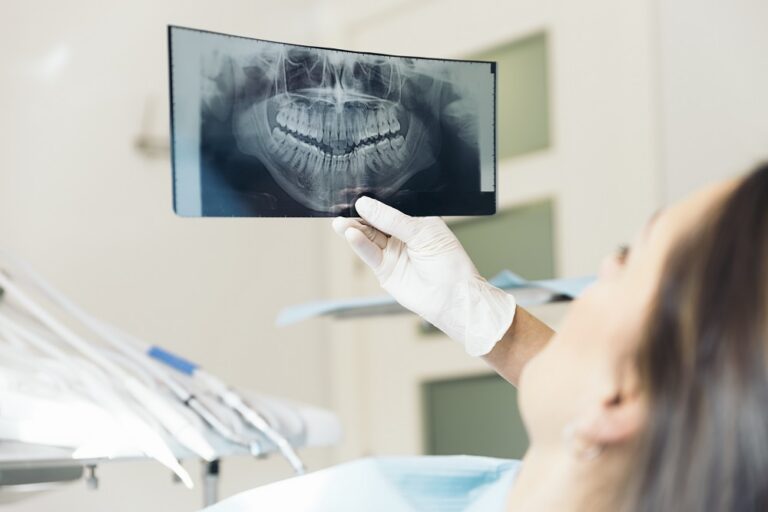
Those answers come from a combination of findings. Gum measurements matter. During an exam, the provider uses a small periodontal probe to measure the depth of the space between tooth and gum. Healthy pockets are usually shallow. As inflammation and attachment loss progress, those pockets deepen, giving bacteria more room to persist below the gumline. Bleeding on probing is another major clue. So are recession, mobility, pus, tartar buildup below the gumline, changes in bite, and radiographic evidence of bone loss.
Patients are often surprised by how much medical history affects the plan. Smoking, vaping, diabetes, dry mouth, stress, immune conditions, hormonal changes, certain medications, and even clenching can influence both disease progression and healing. A person with mild inflammation and excellent health may improve quickly with nonsurgical care. Another person with similar-looking gums but uncontrolled blood sugar may need a more cautious and extended approach.
The difference between gingivitis and periodontitis
This distinction matters because it shapes both urgency and treatment expectations. Gingivitis is inflammation limited to the gum tissue. The gums may appear puffy, red, shiny, or prone to bleeding. The encouraging part is that gingivitis is generally reversible. Once plaque and tartar are removed and daily hygiene improves, the tissue can return to health.
Periodontitis is different. At that point, the supporting structures of the teeth have already been affected. Bone does not regenerate on its own just because the gums look calmer a few weeks later. Treatment can stop the disease, reduce pocket depth, improve tissue health, and preserve teeth for many years, but some of the damage may be permanent. This is why early diagnosis is not just preferable, it changes the long-term outlook.
In practice, many patients sit somewhere between these two categories in terms of appearance. Their gums may not look terrible in the mirror, yet their x-rays and measurements tell a more serious story. That mismatch is common. Pain is not a reliable indicator of periodontal disease severity.
How diagnosis usually unfolds in Ventura practices
Most periodontal evaluations follow a straightforward clinical path, though the details vary by office and severity. The first visit often includes a careful exam, x-rays if needed, charting of pocket depths, discussion of symptoms, and a review of medical and dental history. If there is heavy buildup or significant inflammation, the provider may explain that the full extent of disease becomes clearer after initial cleaning and tissue settling.
Patients often ask whether they need to see a general dentist first or go directly to a periodontist. The answer depends on the office and the complexity of the case. Many general dentists diagnose early or moderate gum disease and begin treatment themselves. Cases involving advanced bone loss, severe recession, mobility, surgical needs, or implant-related gum concerns are often referred to a periodontist. In Ventura, as in most communities, collaborative care is common. A patient may receive active periodontal therapy in one office and ongoing restorative or routine care in another.
An honest diagnosis discussion should include more than pocket numbers. Good clinicians explain patterns. For example, if deep pockets are concentrated around old crowns with overhanging margins, that is relevant. If the worst areas are where a bridge makes cleaning difficult, that matters too. If the patient grinds heavily and certain teeth are taking excess force, treatment planning may need to address that. Periodontal disease is microbial, but its expression is shaped by anatomy, habits, and medical status.
The first phase of treatment, controlling infection
For most patients, active therapy starts nonsurgically. The goal is to remove plaque, calculus, and bacterial toxins from above and below the gumline so the tissue can heal and the body can calm the inflammatory response. The most common procedure at this stage is scaling and root planing, often described as a deep cleaning.
That term can sound routine, but it is more precise than a standard prophylaxis. In a regular cleaning, the focus is on removing plaque and tartar from tooth surfaces in a healthy or relatively healthy mouth. In scaling and root planing, the provider works deeper below the gumline, smoothing root surfaces and disrupting the bacterial environment inside periodontal pockets. Local anesthetic is commonly used, especially when multiple quadrants are treated or the pockets are tender.
Patients usually want to know whether this hurts. During the procedure, comfort is typically manageable when the area is well anesthetized. Afterward, the gums may feel sore for a day or two, and the teeth can be more sensitive to temperature. That sensitivity is often temporary and tends to improve as the tissue tightens and inflammation decreases. Some patients also notice that their teeth look longer once swollen gums shrink, which can be alarming if no one warned them. What they are seeing is usually reduced inflammation or existing recession that had been masked by puffiness.
In some cases, the clinician may recommend adjunctive therapies such as localized antimicrobials, prescription rinses, or systemic antibiotics. These are not automatic. They are used selectively, depending on the bacterial pattern, severity, medical considerations, and how the tissue responds to initial care. A thoughtful provider weighs the likely benefit against overuse.
What happens after the deep cleaning
The healing phase is where many people underestimate the process. They assume the procedure itself solved the problem. In reality, the follow-up visit is often just as important as the treatment day.
At a re-evaluation, usually several weeks later, the provider looks for signs that the tissue is responding. Bleeding should be reduced. Swelling should decrease. Pocket depths may shrink as inflamed tissue tightens and attachment stabilizes. Home care technique is reassessed because even excellent in-office therapy cannot overcome plaque that returns quickly every day.
This is also the point where the treatment pathway becomes clearer. Some mouths respond so well to initial therapy that no surgery is needed. Others improve, but persistent deep pockets remain in certain areas. Those sites are the ones most likely to trap bacteria and continue breaking down over time, even if the rest of the mouth is stable. When that happens, the conversation shifts from infection control to access and correction.
When surgical periodontal treatment becomes necessary
Surgery is not the default for every patient with periodontitis, but it remains an important option when nonsurgical treatment cannot fully resolve the disease. The purpose is usually practical: better access for cleaning the root surfaces, reshaping or preserving supporting structures, reducing pocket depths, and creating a gum environment that the patient can actually maintain.
Flap surgery, sometimes called pocket reduction surgery, allows the periodontist to gently reflect the gum tissue, remove deeper deposits, and assess the underlying bone contours. In areas with irregular bone loss, recontouring may help reduce sites where bacteria collect. If the anatomy is favorable, regenerative procedures may be considered. These can involve bone grafting materials, membranes, or biologic agents intended to encourage the body to rebuild some of the lost support. Results vary by defect shape, patient factors, and plaque control. Regeneration can be remarkably effective in the right site, but it is not magic and it is not appropriate for every case.
Gum grafting is another common branch of periodontal care. Some patients seek help because their disease has stabilized, yet recession leaves roots exposed, sensitive, or vulnerable to further wear. Others never had significant periodontitis but developed recession from aggressive brushing, thin tissue, tooth position, or orthodontic movement. A graft can improve coverage, increase tissue thickness, and make the area easier to protect long term.
There is also the less glamorous, but very real question of tooth prognosis. Sometimes a tooth has lost so much support that heroic treatment does not make sense. In those cases, a skilled periodontist will say so plainly. Preserving every tooth at any cost is not always the most responsible plan. Sometimes removing a hopeless tooth, controlling disease elsewhere, and designing a stable replacement strategy is the better outcome.
Recovery is not one-size-fits-all
Patients often ask for a simple timeline, but healing depends on the procedure performed, the severity of inflammation, and the body’s response. After scaling and root planing, many people feel mostly back to normal within a couple of days, though tenderness and sensitivity can linger for a week or more. Surgical treatment usually requires a longer recovery window. Swelling, minor bleeding, soft-food diets, and modified brushing in the treated area are common for several days. Sutures may remain in place for one to two weeks, depending on the technique.
A realistic recovery conversation should cover what patients are likely to notice:
- Mild soreness and temperature sensitivity are common after deep cleaning or surgery.
- Gums often tighten and shrink as inflammation resolves, which can expose root surfaces.
- Brushing may need to be gentler, not skipped, because plaque returns quickly.
- Healing can slow down in smokers and in patients with uncontrolled diabetes.
- A clean, stable result still requires maintenance visits after active treatment ends.
That last point deserves emphasis. Periodontal disease is usually managed, not cured in the way a simple infection is cured with one round of medication. Once a patient has had periodontitis, they remain at higher risk for recurrence. Maintenance care is the difference between a good short-term result and teeth that remain healthy for the next decade.
The maintenance phase, where success is protected
This is where many recoveries quietly succeed or fail. Periodontal maintenance appointments are not the same as ordinary cleanings, even if they may look similar on the calendar. These visits are designed for patients with a history of periodontal disease, and the focus is more exacting. The hygienist or dentist monitors pocket depths, bleeding, recession, mobility, and areas of recurrent buildup. Trouble spots are identified early, before they become emergencies.
A three-month interval is common after active treatment, though some patients can eventually stretch longer and others need closer monitoring. The schedule depends on how rapidly plaque and calculus accumulate, the patient’s dexterity, their smoking status, and how stable the gums remain over time. Patients sometimes resist frequent maintenance because everything feels fine. That is understandable, but gum disease has a habit of becoming active again before symptoms become obvious.
At home, technique matters more than intensity. Overbrushing does not compensate for poor access along the gumline. Interdental cleaning is essential, whether that means floss, soft picks, interdental brushes, or water flossing, depending on the anatomy. People with bridges, implants, crowded lower front teeth, or wide root spacing often need customized tools. The right home routine is the one the patient can perform thoroughly and consistently, not the one that sounds most impressive.
Costs, value, and the trade-offs patients should understand
Money is part of the treatment decision for almost everyone, and it is better discussed openly than ignored. Periodontal therapy varies in cost based on disease severity, the number of areas treated, whether surgery is needed, and the extent of follow-up. A deep cleaning across several quadrants is very different from a localized maintenance visit, and a regenerative surgical procedure is different again.
The more important question is value over time. Delaying moderate periodontal treatment can seem cheaper in the moment, but advanced disease often leads to more expensive consequences later, including extractions, implants, bridges, tissue grafts, bone grafting, or ongoing instability around existing dental work. It is not fearmongering to say that untreated periodontal disease tends to become more complicated, not less.
Insurance can help, but coverage is variable. Many plans contribute toward scaling and root planing, maintenance, and some surgeries, though annual maximums often lag behind the real cost of treatment. Patients benefit from asking offices for a phased plan. If care can be staged sensibly without compromising health, that flexibility can make treatment more manageable.
Why local context matters when seeking Periodontal Treatment Ventura
Ventura patients are not unique in the biology of gum disease, but local practicalities do shape care. Access to specialists, appointment timing, referral patterns between general dentists and periodontists, and patient preferences all affect the treatment journey. Some patients want a provider who can coordinate surgery, implant planning, and long-term maintenance under one roof. Others prefer to keep routine care with their general dentist and visit a specialist only when necessary.
The most effective Periodontal Treatment Ventura plans tend to have a few things in common. The diagnosis is explained clearly. The provider sets realistic expectations instead of promising cosmetic perfection. The patient understands the difference between active treatment and maintenance. And there is a specific home care strategy that fits the patient’s actual habits and mouth, rather than a generic speech delivered to everyone.
I have seen the difference that communication makes. Patients who understand why one pocket near a lower molar keeps relapsing, perhaps because of a furcation defect or difficult root anatomy, are more likely to stay engaged than patients who hear only that their gums are “still a little inflamed.” Specifics build trust. They also improve compliance.
The emotional side of periodontal care
This often gets overlooked. People can feel embarrassed when they hear they have gum disease, especially if they brush regularly and have tried to do the right things. Others feel anxious because they associate any gum procedure with pain. Some become frustrated when they learn that despite years of decent home care, genetics, anatomy, smoking history, or diabetes made them more vulnerable.
A good periodontal team recognizes that emotional response and addresses it without judgment. Gum disease is common. It is not a character flaw. What matters is whether the patient acts once the problem is identified. When expectations are handled well, most people are relieved after treatment starts. They notice less bleeding, fresher breath, less tenderness, and a sense that the mouth feels clean in a deeper way than it has for a long time.
There is also a psychological shift that happens after recovery begins. Patients start to understand that gum health is not just about avoiding cavities or keeping teeth white. It is about preserving the foundation that holds every restoration, crown, bridge, veneer, and implant in place. That perspective tends to improve long-term follow-through.
Questions worth asking before treatment begins
A strong consultation is a two-way conversation. Patients do better when they know what to ask and how to interpret the answers. A few questions tend to be especially useful:
- How severe is the disease, and which teeth or areas are most affected?
- Can this likely be managed nonsurgically, or do you expect surgery may be needed later?
- What changes should I expect in appearance or sensitivity after treatment?
- How often will I need maintenance if the gums respond well?
- What home care tools fit my specific mouth and dental work?
Those answers reveal a lot about the quality of the plan. If the explanation is vague, rushed, or one-size-fits-all, that is a concern. Periodontal treatment works best when the rationale is clear.
From first warning signs to a stable recovery
The journey from diagnosis to recovery is less mysterious than it seems once each phase is broken down. First, the condition has to be identified accurately. Then the bacterial load and inflammation are brought under control. After that, the provider reassesses, decides whether further intervention is necessary, and places the patient on an appropriate maintenance schedule. Along the way, home care is refined so that the treatment result can last.
For many people, the turning point is simply taking bleeding gums seriously instead of normalizing them. Healthy gums do not bleed routinely. They do not stay swollen for months. They do not recede rapidly or leave a persistent bad taste. Those signs are the body asking for attention, and early attention usually means simpler treatment.
Anyone exploring Periodontal Treatment Ventura should expect careful diagnosis, individualized treatment planning, and an ongoing partnership focused on preserving teeth and supporting structures over time. Recovery is not passive. It is built through professional care, informed decisions, and consistent daily habits. When those pieces come together, even patients who arrive with significant gum disease can often regain comfort, function, and long-term stability.
Avra Dental
Address: 1708 S Victoria Ave B, Ventura, CA 93003
Phone number: (805) 941-1001
FAQ About Periodontal Treatment Ventura
Can a dentist get rid of periodontal disease?
A dentist or gum specialist (periodontist) cannot fully cure or reverse advanced periodontal disease (periodontitis), but they can successfully stop its progression and manage the infection.
Is periodontitis very serious?
Yes, periodontitis is a very serious, advanced form of gum disease that destroys the bone and tissues supporting your teeth.
How is stage 2 periodontal disease treated?
Stage 2 periodontal disease (early to moderate periodontitis) is primarily treated with non-surgical deep cleaning procedures like scaling and root planing to remove bacteria and tartar below the gumline.