Gum Disease Treatment: Causes, Options, and Recovery

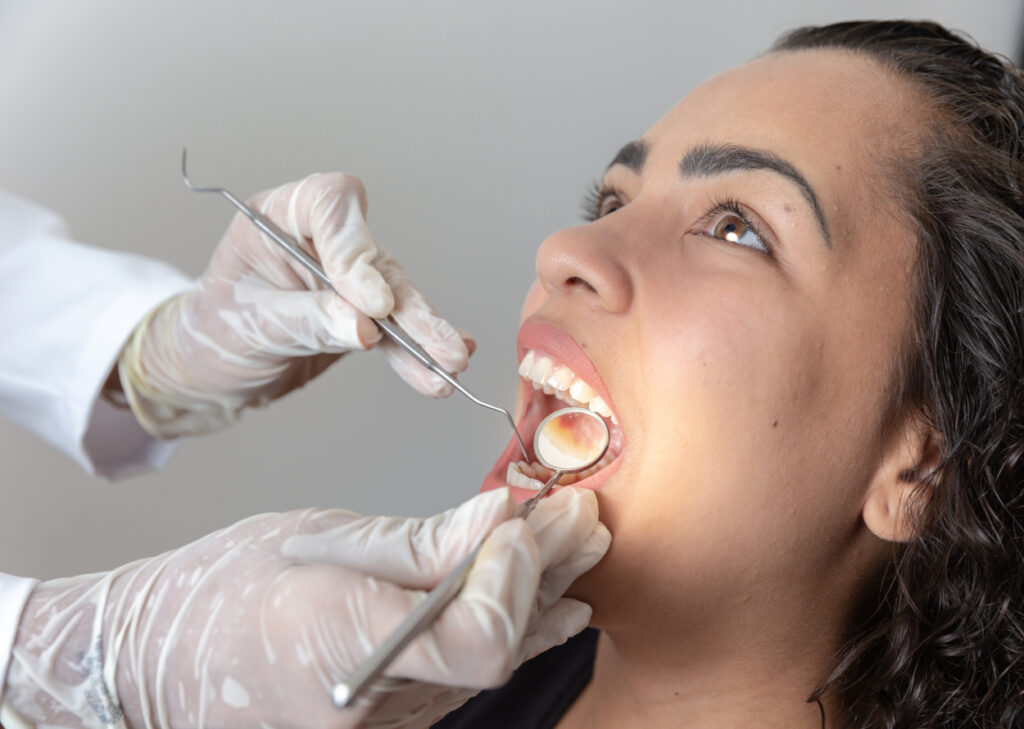
Gums rarely command attention until they hurt, bleed, or start to recede. That is part of what makes gum disease so stubborn. It usually begins quietly, with signs people dismiss as minor irritation from brushing too hard or skipping floss for a few days. By the time a patient notices persistent bad breath, tenderness, or teeth that feel slightly different when biting, the inflammation may already be doing real damage.
Gum Disease Treatment is not one single procedure. It is a spectrum, from careful home care and professional cleanings to deep cleaning, surgery, and long-term maintenance. The right path depends on how far the disease has progressed, how a person heals, and whether there are habits or medical conditions making recovery harder. In clinical practice, I have seen mild cases settle down with prompt intervention and consistency. I have also seen advanced disease in patients who never had much pain and were genuinely shocked to learn that bone had been lost around otherwise healthy-looking teeth.
Understanding what causes gum disease, how treatment works, and what recovery actually feels like helps people act earlier and with less fear.
What gum disease really is
Gum disease, also called periodontal disease, is an inflammatory condition driven primarily by bacterial plaque that accumulates around the teeth and under the gumline. Plaque itself is not unusual. Everyone develops it. The trouble begins when it is not disrupted consistently through brushing, flossing, and professional care. Over time, plaque hardens into tartar, also called calculus, which cannot be removed effectively at home.
The earliest stage is gingivitis. At this point, the gums are inflamed but the supporting bone around the teeth has not yet been destroyed. Gums may look puffy, appear red instead of pale pink, or bleed during brushing and flossing. Gingivitis is common and, importantly, reversible.
When inflammation extends deeper and starts damaging the ligament and bone that hold teeth in place, the condition becomes periodontitis. That is where treatment grows more involved. Pockets can form between the teeth and gums, bacteria can settle deeper below the surface, and bone loss may follow. Unlike gingivitis, periodontitis cannot simply be brushed away. It can usually be controlled, but the damage already done often cannot be fully reversed.
This distinction matters because many people assume all bleeding gums are minor. Some are. Some are the first visible sign of a chronic infection that may take months or years to stabilize.
Why it happens, even in people who brush
Poor plaque control is the central cause, but it is rarely the whole story. Gum disease tends to develop where bacteria are given time, shelter, and the right conditions to trigger an exaggerated inflammatory response. The person who brushes twice a day can still develop periodontal problems if technique is weak, if teeth are crowded, if restorations trap plaque, or if there are broader health factors in play.
Smoking is one of the strongest risk factors. It reduces blood flow, masks bleeding, and interferes with healing. Smokers often present with more severe disease and fewer obvious warning signs, which can create a false sense that everything is fine. Diabetes also changes the picture substantially. Poorly controlled blood sugar increases susceptibility to infection and makes periodontal healing less predictable. At the same time, active gum inflammation can make diabetes harder to manage. It is a two-way relationship, not a coincidence.
Hormonal shifts can heighten gum sensitivity. Pregnancy, puberty, and menopause all alter how gum tissue responds to plaque. Dry mouth plays a role as well, particularly in older adults or people taking medications for blood pressure, depression, allergies, or chronic pain. Saliva is protective. When it drops, bacterial control becomes harder.
There are mechanical contributors too. Teeth grinding can aggravate already compromised support. Ill-fitting crowns, overhanging fillings, and partial dentures that collect plaque can create local trouble spots. Genetics matter, though they do not override hygiene entirely. Some patients seem to mount a stronger destructive inflammatory response than others despite similar plaque levels.
The practical takeaway is simple. Gum disease is caused by bacteria, but it is shaped by the host. That is why two people with similar habits can have very different outcomes.
The signs people tend to overlook
Many patients expect severe pain if something is wrong. Gum disease often does not behave that way. Early and even moderate cases can be surprisingly painless. The signs are subtler, which is why they get explained away.
Bleeding with brushing or flossing is one of the most common clues. Healthy gums generally do not bleed with gentle cleaning. Persistent bad breath, a bad taste in the mouth, gum tenderness, recession, and teeth that look longer than they used to are also common. In more advanced cases, spaces may open between teeth, biting can feel slightly off, or teeth may seem mobile.
Food trapping is another underappreciated sign. Patients often describe repeatedly catching fibrous foods in one area that never used to be a problem. Sometimes that reflects localized bone loss or gum recession rather than just “a spot that’s hard to clean.”
The absence of pain should never be taken as reassurance.
How gum disease is diagnosed
A proper periodontal assessment goes beyond a quick glance. Dentists and hygienists look at gum color, texture, bleeding, plaque levels, recession, mobility, and the way teeth meet. The most important measurements often come from periodontal probing, where a slim instrument is used to check the depth of the space between tooth and gum. Shallow, healthy pockets are easier to keep clean. Deeper pockets can shelter bacteria and indicate attachment loss.
Dental X-rays help reveal bone levels around the teeth and can show the pattern of destruction, whether it is generalized or isolated to certain areas. That distinction matters. A patient with widespread mild bone loss is managed differently from someone with severe localized defects around two molars.
Diagnosis is not only about staging how severe the disease is. It also includes grading how likely it is to progress. Smoking status, diabetic control, and prior history influence prognosis. This is where experienced clinical judgment matters. Two mouths can look similar on paper, yet the likely course and best treatment plan differ.
Where treatment begins
For mild gingivitis, the first phase of Gum Disease Treatment is usually straightforward. A professional cleaning removes plaque and tartar above and slightly below the gumline, and the patient improves daily home care. When the inflammation is still superficial, that alone can make a dramatic difference within a few weeks.
Periodontitis requires a deeper approach. The aim is to reduce the bacterial burden, disrupt the inflamed pocket environment, and create conditions the patient can realistically maintain. That may involve scaling and root planing, localized antimicrobial therapy, correction of plaque-trapping dental work, extraction of hopeless teeth, surgery, or a combination of these.
One thing patients appreciate hearing plainly is that treatment is not a one-day cure. It is active disease control followed by maintenance. If the maintenance phase is neglected, the infection often returns.
Non-surgical treatment and what it feels like
The main non-surgical treatment for periodontitis is scaling and root planing, often called a deep cleaning. Despite the name, it is not simply a longer version of a routine cleaning. The clinician removes tartar and bacterial deposits from below the gumline and smooths the root surfaces so the tissue can heal against a cleaner tooth.
This is often done under local anesthetic, especially if multiple deep pockets are present. Many offices treat one side of the mouth at a time or divide treatment into two to four appointments depending on extent. During the procedure, patients typically feel pressure and vibration more than pain when anesthesia is adequate. Afterwards, soreness, temperature sensitivity, and slight bleeding for a day or two are common. Gums can shrink somewhat as inflammation resolves, which may make spaces appear more visible. That can be unsettling if a person is not warned ahead of time, even though it often reflects healthier tissue rather than worsening disease.
When deep cleaning is well indicated, the response can be impressive. Pockets may reduce, bleeding often drops significantly, and the mouth can feel cleaner in a way patients notice almost immediately. Still, not every area responds equally. Deep narrow defects, furcations between molar roots, and sites with advanced bone loss are harder to stabilize non-surgically.
Dentists may use antimicrobial rinses or site-specific antibiotics in selected cases, though these are adjuncts rather than substitutes for mechanical debridement. There is no rinse that can dissolve established tartar under the gums.
When surgery becomes the better option
Surgery sounds intimidating, but the rationale is practical. If deep pockets remain after non-surgical therapy, and especially if anatomy prevents effective cleaning, surgery may offer better access and a more maintainable result.
Periodontal flap surgery is among the more common procedures. The gum is gently lifted so the clinician can see and remove deep deposits directly, then the tissue is repositioned to reduce pocket depth. In the right patient, this can make a profound difference in controlling stubborn sites.
Some defects may be candidates for regenerative procedures, where bone graft materials, membranes, or biologic agents are used in an effort to rebuild support around a tooth. Results vary because not all defects are shaped in a way that favors regeneration. Contained, vertical defects generally have more potential than broad horizontal bone loss.
Gum grafting is a different category of treatment, used more for recession than infection itself. It can protect exposed root surfaces, reduce sensitivity, and improve long-term stability in certain areas once inflammation is under control.
Extraction enters the conversation when a tooth has severe attachment loss, advanced mobility, a vertical root fracture, or repeated infections with poor long-term prognosis. That can be emotionally difficult. Many patients want every tooth saved at any cost. Sometimes that is reasonable. Sometimes removing one hopeless tooth improves the outlook for the rest of the mouth and allows a more stable plan.
Recovery is usually easier than patients fear
Most gum disease procedures involve more inconvenience than true hardship. Recovery depends on the type of treatment and the individual’s baseline health, but a realistic timeline helps.
After a standard cleaning for gingivitis, discomfort is minimal and the gums may stop bleeding noticeably within several days if home care improves. After scaling and root planing, tenderness and sensitivity often peak in the first forty-eight hours and settle over several days. It is common to recommend softer foods briefly, gentle but thorough brushing, and sometimes saltwater rinses if appropriate. Some patients feel almost normal the next day. Others, especially those with extensive treatment or sensitive roots, need a week before the mouth feels settled.
Surgical recovery takes longer. Mild swelling, pinpoint bleeding, and tenderness are expected. Sutures may remain for one to two weeks depending on the technique. Patients are often surprised that the area feels more manageable than anticipated as long as they follow instructions and avoid disturbing the site. Smoking during this period is one of the clearest ways to sabotage healing.
A simple checklist helps during the first phase of recovery:
- take prescribed or recommended medications exactly as directed
- keep the mouth clean, but follow site-specific brushing instructions carefully
- choose softer foods for a few days and avoid sharp, crunchy foods near treated areas
- do not smoke or vape if healing is the goal
- attend the review visit, even if the mouth feels fine
These basics sound unremarkable, but they influence outcomes more than many patients realize.
What can go wrong, and when to call the office
Most healing follows a predictable course, but it is worth knowing what falls outside normal recovery. Persistent heavy bleeding, swelling that worsens after the first few days, fever, increasing pain instead of gradual improvement, or a foul discharge from the gums should prompt a call. Teeth can feel loose temporarily after calculus is removed, especially if that tartar was acting like a crude brace around already compromised teeth. That can be alarming, but it is not always a sign of treatment failure. Clinical follow-up is what clarifies whether the mobility is expected or concerning.
Sensitivity can linger longer than patients expect, particularly after deep cleaning on teeth with exposed roots. Desensitizing toothpaste, fluoride products, and time usually help. Occasionally the sensitivity remains significant enough to need bonding or other protective treatment.
One nuanced issue is esthetics. As inflamed gums tighten and shrink, black triangles between teeth may become more visible. Patients sometimes interpret this as the procedure causing damage. In reality, swollen tissue had been masking the underlying loss. It is better to have healthy, snug gums than puffy bleeding tissue, but the cosmetic change can still matter and deserves an honest discussion.
Home care after treatment is where long-term success is won
The clinical work removes disease deposits and resets the environment. Daily habits determine whether the improvement lasts. This is not glamorous advice, but it is the truth seen repeatedly over years of practice.
Patients who do best are not usually the ones buying every gadget. They are the ones who clean thoroughly, consistently, and with attention to technique. A powered toothbrush can be helpful, especially for people with dexterity limitations, but it does not compensate for rushing. Interdental cleaning matters because toothbrush bristles do not adequately clean between teeth. Whether floss, interdental brushes, or water flossers work best depends on spacing, restorations, and what the patient will actually use every day.
A durable maintenance routine usually includes:
- brushing along the gumline twice daily for a full two minutes
- cleaning between the teeth once a day with the tool best suited to the spaces present
- using any prescribed antimicrobial or fluoride products for the recommended period
- keeping periodontal maintenance appointments on schedule
- addressing smoking, dry mouth, or uncontrolled diabetes as part of oral care, not separate from it
This is where long-term Gum Disease Treatment often succeeds or fails. Even technically excellent procedures lose value if plaque control remains inconsistent.
Maintenance is not “just another cleaning”
This point deserves emphasis because many patients hear the term maintenance and assume it is interchangeable with a routine six-month cleaning. Periodontal maintenance is a targeted follow-up program for people with a history of gum disease. The interval is often every three to four months, especially in the first year after active treatment, because the bacterial environment can repopulate and pockets can worsen before six months have passed.
These visits allow clinicians to monitor pocket depths, bleeding, mobility, plaque retention patterns, and areas of recurrent inflammation. Sometimes a patient needs only supportive care and reinforcement. Sometimes one site is breaking down again and needs re-instrumentation, local antibiotics, occlusal adjustment, or referral to a periodontist.
Patients occasionally resist this schedule because they feel fine. That is understandable. Periodontal relapse is often silent at first, which is exactly why maintenance works when it does.
Special situations that change treatment decisions
Not all gum disease follows the same script. Pregnancy-associated gingival inflammation may require gentler timing and coordination with obstetric care, but delaying all treatment is not always best if active infection is present. Teenagers with aggressive forms of periodontal breakdown need prompt specialist evaluation because the progression can be out of proportion to visible plaque.
Older adults bring different variables. Root exposure, dry mouth, medications, reduced hand strength, and existing bridgework or implants can all complicate plaque control. In these cases, the best plan is often the one a person can sustain, not the one that is theoretically perfect. A beautifully detailed hygiene routine that never happens is less useful than a simpler system done every day.
There is also the question of implants. People sometimes assume that extracting diseased teeth and placing implants neatly solves the problem. It can, but implants are not immune to inflammation. The same plaque control failures that damaged natural teeth can lead to peri-implant disease. If the underlying habits https://alexisypmq367.theglensecret.com/a-step-by-step-look-at-gum-disease-treatment-procedures and risk factors are unchanged, implants may inherit the same problems.
Cost, time, and the value question
Patients often want to know whether treatment is worth the cost, particularly when the mouth is not painful. The answer depends on prognosis, but preserving healthy or salvageable teeth is usually less disruptive than replacing them later. Deep cleaning and maintenance may seem expensive in the moment. Advanced surgery, multiple extractions, bone grafting, implants, or complex dentures are almost always more costly in money, time, and adaptation.
That said, not every tooth should be saved. A pragmatic, ethical plan weighs biology, function, finances, and the patient’s ability to maintain the result. If one molar has severe furcation involvement, recurrent abscesses, and poor cleansability, extracting it may be wiser than repeated heroic treatment. Good care is not about doing the most. It is about doing what offers the best long-term outcome with the least avoidable burden.
What people can reasonably expect
Most cases of gingivitis can be reversed. Most cases of periodontitis can be controlled, often very successfully, but control requires commitment. Lost bone does not routinely reappear on its own. Receded gums do not usually grow back without specific grafting procedures, and even then the result depends on anatomy. Teeth with advanced support loss may survive many years if inflammation is controlled and bite forces are managed, but they remain more vulnerable than unaffected teeth.
The encouraging part is that improvement is often visible and measurable within weeks to months. Bleeding drops. Breath improves. Gums become firmer. Pocket depths may reduce. Patients often say the mouth feels lighter or cleaner in a way that is hard to describe until they experience it.
Gum disease rewards early action. A little bleeding during brushing is far easier to address than loose teeth and bone loss years later. For anyone noticing recurring inflammation, the smartest move is not to wait for pain. It is to get the gums examined properly, understand what stage the disease is in, and start the right form of Gum Disease Treatment before a manageable problem becomes a complicated one.
Avra Dental
Address: 1708 S Victoria Ave B, Ventura, CA 93003
Phone number: +18057653206
FAQ About Gum Disease Treatment
Can I make my gums healthy again?
Yes, you can make early-stage gum disease completely healthy again, but advanced damage requires professional care to manage.
Can you cure gum disease?
You can cure early-stage gum disease, but advanced gum disease cannot be fully cured.
Can I live a normal life with gum disease?
Yes, you can live a normal life with gum disease, but it requires active, lifelong management to control the condition and prevent serious complications