Natural and Clinical Gum Disease Treatment Approaches


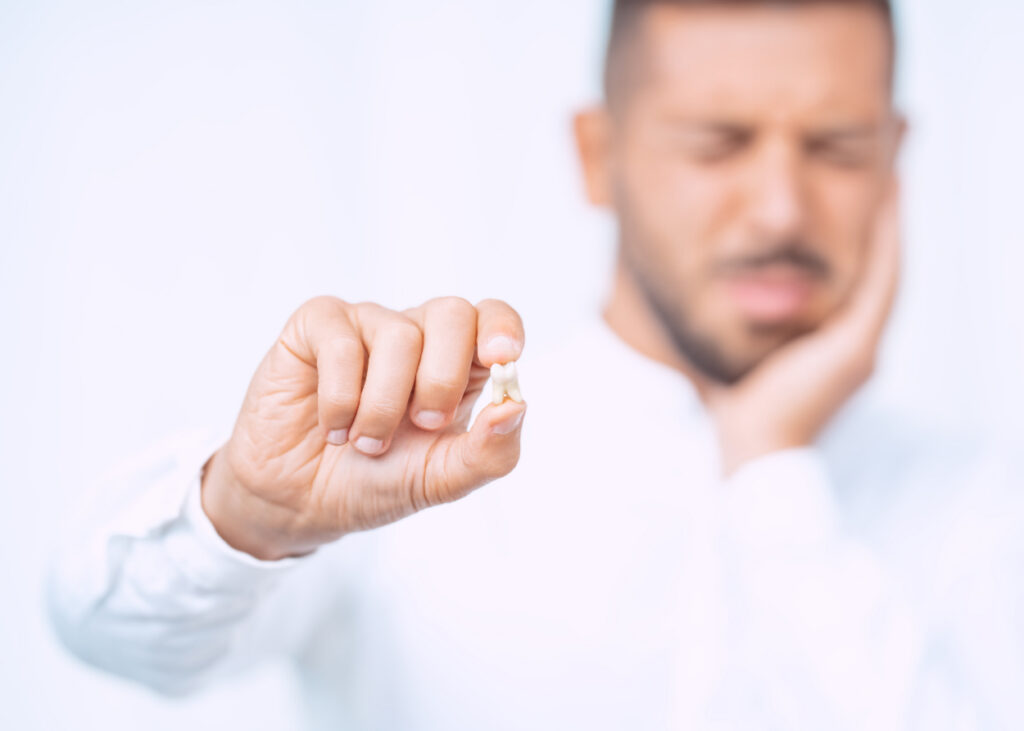
Gum disease has a way of creeping into daily life quietly. It often starts with brushing that leaves a pink tinge in the sink, or gums that feel tender when biting into an apple. Because the early stage can be painless, many people assume it is minor irritation and postpone care. That delay matters. What begins as simple inflammation can progress into deeper infection, bone loss, loose teeth, and a level of oral discomfort that affects eating, sleep, confidence, and overall health.
When people search for Gum Disease Treatment, they are usually looking for one of two things. Some want a natural path and hope to calm their gums without procedures. Others have already heard terms like scaling and root planing, pocket depth, or periodontal maintenance and want to know what professional treatment actually involves. In real practice, the best results rarely come from choosing one camp and rejecting the other. They come from knowing what home measures can genuinely help, what they cannot fix, and when clinical care is no longer optional.
What gum disease really is
Gum disease, also called periodontal disease, develops when bacterial plaque accumulates around the gumline and below it. The body reacts with inflammation. In the earliest phase, gingivitis, the gums may look redder than usual, feel puffy, and bleed during brushing or flossing. At this stage, the damage is usually reversible. The supporting bone and ligament around the teeth have not yet been permanently harmed.
If the inflammation persists, the condition can progress to periodontitis. The attachment between tooth and gum begins to weaken, pockets form, and bacteria settle deeper where a toothbrush cannot reach. Over time, bone can be lost. This is the stage where people may notice bad breath that never fully clears, gums pulling away from the teeth, sensitivity near the roots, or teeth shifting in ways that make the bite feel different.
That distinction matters because natural strategies can be quite effective for mild gingival inflammation, especially when the main problem is plaque build-up and inconsistent daily care. They are not a substitute for removing hardened deposits under the gums or repairing the consequences of more advanced disease.
Why people miss the early signs
One of the most common misunderstandings is the idea that if the gums do not hurt, they must be healthy. Gum disease often behaves differently from a toothache. It can advance slowly, without dramatic pain, while inflammation and bone loss continue in the background. I have seen people remain unconcerned for months because they could still chew normally, even though their gums bled almost every morning.
Another problem is that bleeding is often normalized. People switch to a softer toothbrush or brush more gently, hoping the bleeding will stop, when the bleeding itself is a clue that the tissue is inflamed. Healthy gums generally do not bleed with gentle brushing and flossing. A little soreness after restarting flossing can happen, but persistent bleeding is not something to ignore.
Where natural treatment fits, and where it does not
Natural care has a valuable place in gum health. It can reduce inflammation, support healing, improve the oral environment, and help prevent recurrence after professional treatment. Some people also find that natural strategies make them more consistent because they feel more engaged in the process. Warm saltwater rinses, meticulous plaque removal, improved diet, and smoking cessation can all make a visible difference in early gum irritation.
Still, there is a hard limit. Once plaque has calcified into tartar, especially below the gumline, it cannot be brushed or rinsed away at home. If pockets have formed, the bacterial biofilm inside them is protected. At that point, relying on home remedies alone tends to create a false sense of progress. The gums may feel a little less irritated while the deeper problem remains.
A good rule of thumb is this: natural measures can support the body, but they cannot replace mechanical removal of hardened deposits beneath the gumline. They are adjuncts, not magic.
The natural approaches that have real practical value
Some natural measures are worth keeping in any gum care routine because they are low risk and grounded in basic physiology. The goal is not to sterilize the mouth, which is neither realistic nor desirable. The goal is to lower the bacterial burden, reduce inflammation, and give the gums a cleaner environment in which to recover.
Gentle, thorough brushing is the foundation. This sounds almost too obvious, but technique matters more than force. People often scrub horizontally, especially along the front teeth, and miss the gumline where plaque collects most stubbornly. A soft-bristled brush angled toward the gumline, used in small controlled motions, generally works far better than aggressive brushing. Electric brushes help many patients because they improve consistency and timing, not because they are inherently miraculous.
Interdental cleaning is just as important. Floss works well when used carefully, curving around the tooth rather than snapping straight down and back up. For people with wider spaces, bridgework, gum recession, or dexterity issues, interdental brushes can be more effective than floss. In daily practice, this is one of the biggest turning points. Many people brush faithfully but never clean between teeth properly, which leaves inflammation smoldering in the areas least visible in the mirror.
Warm saltwater rinses are a simple supportive measure. They do not cure gum disease, but they can soothe irritated tissue and temporarily reduce surface bacteria. They are especially useful when gums are tender after a professional cleaning or after someone has resumed proper interdental cleaning and the tissue is adjusting.
Diet also shapes the inflammatory environment. Frequent sugar exposure feeds acid-producing bacteria, but the issue is broader than cavities. Diets heavy in ultra-processed foods, sugary drinks, and constant snacking can contribute to an oral environment that never quite resets. Adequate protein, vitamin C, and a varied whole-food diet support tissue repair. This is not a glamorous answer, but healthier gums often follow boringly consistent habits.
Smoking cessation may be the single most powerful natural intervention for someone with active periodontal disease. Tobacco reduces blood flow, alters immune response, and masks bleeding, which can make disease look less dramatic than it is. Smokers sometimes assume their gums are doing fine because they do not bleed much, while deeper destruction progresses. When someone stops smoking, gum bleeding may become more noticeable at first because circulation improves. That can be unsettling, but it is often part of a healthier healing response.
Stress management deserves mention too. It is easy to dismiss stress as unrelated to the mouth, yet bruxism, dry mouth, neglected routines, and altered immune function often travel with chronic stress. People under strain tend to cut corners with oral hygiene, snack more frequently, and put off dental visits. The gums are not separate from the rest of life.
Home care basics that make the biggest difference
- Brush twice daily for a full two minutes, focusing on the gumline rather than scrubbing the tooth surfaces alone.
- Clean between the teeth once a day with floss or interdental brushes that actually fit the spaces.
- Rinse with warm saltwater when the gums are irritated, especially after restarting a neglected routine.
- Reduce tobacco use, ideally stop completely, because smoking undermines almost every aspect of gum healing.
- Seek professional evaluation if bleeding, swelling, or bad breath persist beyond a couple of weeks of improved home care.
The truth about oils, herbs, and popular remedies
Many natural remedies gain popularity because they feel safer or more holistic than clinical treatment. Some have a role, but expectations need to stay realistic.
Oil pulling, usually with coconut or sesame oil, is often promoted for oral detoxification. The practical reality is more modest. Swishing oil may loosen debris and leave the mouth feeling cleaner, and coconut oil has mild antimicrobial properties. That said, it does not remove tartar, reverse attachment loss, or replace brushing and interdental cleaning. If someone enjoys it and uses it as an extra step, fine. If they are using it instead of established oral hygiene, it becomes a distraction.
Herbal mouth rinses are another area where nuance matters. Certain ingredients such as aloe vera, green tea, tea tree oil, or chamomile have anti-inflammatory or antimicrobial properties in laboratory or limited clinical settings. Some people find them soothing. The catch is formulation, concentration, and tolerance. Essential oils can irritate tissue if they are too strong, and homemade mixtures are not always gentle or stable. A commercially prepared rinse designed https://miloazso155.tearosediner.net/professional-gum-disease-treatment-vs-at-home-care for oral use is usually safer than improvising with concentrated oils.
Hydrogen peroxide rinses are common in home advice, but they are often overused. Diluted peroxide can help with short-term reduction of bacterial load and debris, yet repeated or overly strong use may irritate delicate tissue. It is not something I would regard as a long-term daily strategy without guidance.
Probiotics are frequently discussed in gum care. There is growing interest in whether certain oral bacteria can support a healthier microbial balance. It is an intriguing area, but not a stand-alone Gum Disease Treatment. At best, it may become part of a broader plan, especially for people prone to recurrent inflammation.
The same principle applies to supplements. Correcting a genuine deficiency can help the gums heal, but megadoses of vitamins are not a substitute for removing the source of infection. If someone is undernourished, recovering from illness, or eating very restrictively, nutritional support can matter. It just should not be confused with direct periodontal treatment.
When professional treatment becomes necessary
There is a point where careful home care cannot reach the problem. Hardened tartar below the gumline feels like concrete to the tissues around it. The gum may try to swell away from it, which only creates more space for bacteria. If periodontal pockets have developed, they act like sheltered reservoirs where a toothbrush simply cannot function.
Professional evaluation usually includes measuring pocket depths around the teeth, checking for bleeding points, assessing mobility, and looking at bone levels on X-rays when needed. These details tell the story more reliably than symptoms alone. Two people can report similar bleeding, yet one may have mild gingivitis while the other has established periodontitis.
The first line of clinical Gum Disease Treatment is often a professional cleaning, but it is important to distinguish an ordinary prophylaxis from deeper periodontal therapy. A routine cleaning is intended for relatively healthy mouths or mild superficial build-up. Once significant deposits extend below the gumline and pockets are present, a more involved procedure is usually required.
Scaling and root planing, what it actually does
Scaling and root planing is the workhorse treatment for non-surgical periodontitis management. The phrase sounds intimidating, but the concept is straightforward. The clinician removes plaque and tartar from above and below the gumline, then smooths the root surfaces so the gums have a cleaner surface to heal against.
Depending on the amount of disease, this may be done over one or more visits, often with local anesthetic for comfort. Patients sometimes expect dramatic immediate relief, but the real benefit unfolds over the next several weeks as inflammation decreases and the gums tighten around the teeth. Bleeding usually improves first. Pocket depths may reduce as swelling resolves and the tissue reattaches as much as it can.
What scaling and root planing cannot do is regenerate large amounts of lost bone on its own. It is a control measure. In many cases, that control is enough to stabilize the mouth for years, especially when paired with strong home care and regular maintenance visits. In more advanced cases, residual deep pockets may remain and require specialist management.
Antimicrobial treatment and when it helps
Some periodontal cases benefit from antimicrobial support. That may include prescription antimicrobial rinses, localized antibiotics placed directly into deeper pockets, or in selected situations, systemic antibiotics. These are not routine for every person with gum inflammation. The decision depends on severity, pattern of disease, medical history, and how the tissues respond to mechanical cleaning.
This is an area where judgment matters. Antibiotics are not a shortcut around debridement. If the root surfaces remain coated in bacterial deposits, medication alone will not fix the problem. Used thoughtfully, antimicrobial therapy can reduce specific bacterial loads and help difficult sites settle down. Used indiscriminately, it offers little lasting value and contributes to unnecessary medication exposure.
Periodontal surgery and regenerative options
When disease is advanced, non-surgical care may not be enough. Deep inaccessible pockets, furcation involvement around molars, persistent bleeding sites, or areas of significant bone loss can call for periodontal surgery. That might include flap procedures to gain better access for cleaning, reshaping defects, or in selected cases placing regenerative materials intended to encourage tissue repair.
The phrase surgery makes many people flinch, but the goal is often conservative: reduce infection, create a more maintainable anatomy, and preserve teeth that would otherwise continue to deteriorate. Regenerative outcomes vary. They depend on defect shape, patient health, smoking status, oral hygiene, and anatomy. Not every damaged site is a candidate for meaningful regeneration. Honest case selection is one of the most important parts of treatment planning.
Gum grafting is another clinical approach that sometimes enters the conversation. It does not treat infection directly, but in cases of recession it can protect exposed roots, reduce sensitivity, and improve the long-term resilience of the gum margin. Recession can result from periodontal disease, traumatic brushing, anatomy, or a combination of factors.
Maintenance, the phase that determines whether treatment lasts
The least glamorous part of periodontal care is also the part that determines success. After active treatment, gums need ongoing maintenance. For many patients with a history of periodontitis, a six-month cleaning interval is not enough. Three to four months is common because bacterial biofilm repopulates quickly, and these mouths have already shown that they are vulnerable.
At maintenance visits, the clinician is not simply polishing teeth. They are reassessing pockets, bleeding, plaque retention areas, and home care effectiveness. A site that was stable six months ago can deteriorate if plaque control slips, a crown margin traps debris, diabetes becomes poorly controlled, or smoking resumes. Periodontal health is dynamic.
This is where natural and clinical approaches work best together. Daily brushing, interdental cleaning, diet awareness, and tobacco avoidance create the conditions for stability. Clinical maintenance reaches the spots that home care still cannot fully manage. Neither side performs well alone in a high-risk mouth.
Conditions that complicate treatment
Gum disease rarely exists in a vacuum. Diabetes is one of the clearest examples. Poorly controlled blood sugar can worsen periodontal inflammation and healing, while active periodontal disease can make glycemic control harder. The relationship runs both ways. When someone with diabetes receives appropriate Gum Disease Treatment and improves daily care, their gums often respond better once blood sugar is better managed too.
Dry mouth is another major factor. Saliva helps buffer the oral environment and wash away food debris. Medications for blood pressure, depression, allergies, and many other conditions can reduce saliva. People with persistent dry mouth often struggle with both decay and gum irritation. If the mouth is dry all day, even diligent brushing may feel like a losing battle unless the dryness is addressed.
Hormonal changes can also shift gum response. Pregnancy, puberty, and menopause may all affect the way gum tissue reacts to plaque. The treatment principles stay the same, but the tissue may become more reactive or more delicate.
Then there are mechanical issues. A poorly fitting retainer, rough restoration margins, crowded lower front teeth, or grinding habits can all create plaque traps or chronic tissue stress. In those cases, treating the gums without addressing the contributing factor is often frustrating for everyone involved.
Signs that should not be shrugged off
- Bleeding gums that continue despite a week or two of careful brushing and interdental cleaning
- Bad breath or a bad taste that returns quickly after cleaning the mouth
- Gum recession, teeth looking longer, or increasing root sensitivity
- Loose teeth, drifting teeth, or a bite that suddenly feels different
- Swelling, pus, or a localized painful area near the gums
What a sensible combined approach looks like
The most durable treatment plans are usually not extreme. They do not promise that one herb, one rinse, or one deep cleaning will solve everything forever. They start by identifying the stage of disease and then matching the response to that reality.
For mild gingivitis, a sensible plan may involve improved brushing technique, daily interdental cleaning, a short period of soothing rinses, and a professional cleaning if significant tartar is present. For moderate periodontitis, the plan often expands to scaling and root planing, home care coaching, a tighter recall schedule, and risk-factor management such as tobacco cessation or diabetes follow-up. For advanced cases, specialist periodontal therapy and, in some situations, surgery become part of preserving function.
What patients often find most encouraging is that gum tissue can improve noticeably once the bacterial burden is reduced. Gums that looked puffy and angry can become firmer and less prone to bleeding within weeks. Breath can improve. The mouth can feel cleaner and less tender. Even when bone that has been lost cannot simply be restored, the disease can often be stabilized and further damage slowed dramatically.
There is also a psychological benefit to understanding the difference between support and cure. Natural measures are not useless just because they are not sufficient on their own. They matter. They can reduce irritation, improve healing, and help maintain clinical results. But they work best when they are placed in the right role.
A practical way to think about gum health long term
If the gums bleed, swell, or recede, the mouth is giving useful information. The right response is not panic, but clarity. Ask whether the issue is surface-level inflammation from neglected plaque, or whether it has already progressed into periodontal breakdown that needs professional intervention. That question matters more than whether a treatment is labeled natural or clinical.
The people who do best over the long run tend to adopt a steady mindset. They stop looking for a dramatic fix and start building a maintainable system: effective daily cleaning, sensible nutrition, attention to medical conditions, regular professional assessment, and timely treatment when signs change. That approach is less marketable than miracle remedies, but it is what consistently protects teeth and gums.
For anyone weighing natural and clinical Gum Disease Treatment, the most honest answer is that both have a place. Natural strategies support the terrain. Clinical care removes what home measures cannot. When used together, they give the gums the best chance to heal, stabilize, and stay healthy for the long haul.
Avra Dental
Address: 1708 S Victoria Ave B, Ventura, CA 93003
Phone number: +18057653206
FAQ About Gum Disease Treatment
Can I make my gums healthy again?
Yes, you can make early-stage gum disease completely healthy again, but advanced damage requires professional care to manage.
Can you cure gum disease?
You can cure early-stage gum disease, but advanced gum disease cannot be fully cured.
Can I live a normal life with gum disease?
Yes, you can live a normal life with gum disease, but it requires active, lifelong management to control the condition and prevent serious complications