Periodontal Treatment Options: From Deep Cleaning to Surgery
Healthy gums tend to be invisible. They do not bleed when you brush, they do not ache when you chew, and they do not pull away from the teeth in a way that catches your eye in the mirror. That is one reason gum disease advances so quietly. Many people assume they simply need a “better cleaning” when they notice a little blood in the sink. By the time they come in for an evaluation, the issue is often deeper than surface plaque.
Periodontal treatment covers a wide range of care, from careful non-surgical therapy to advanced surgical procedures designed to control infection, reduce pockets, and preserve the teeth that remain. The best treatment is not the most aggressive one. It is the one that matches the stage of disease, the patient’s risk factors, and the practical reality of what they can maintain at home over the long term.
In clinical practice, the biggest turning point is often not the procedure itself. It is helping patients understand what gum disease is actually doing beneath the gumline. Once people grasp that periodontitis is an infection-driven inflammatory disease that destroys supporting bone, treatment choices make more sense.
What periodontal disease is really treating
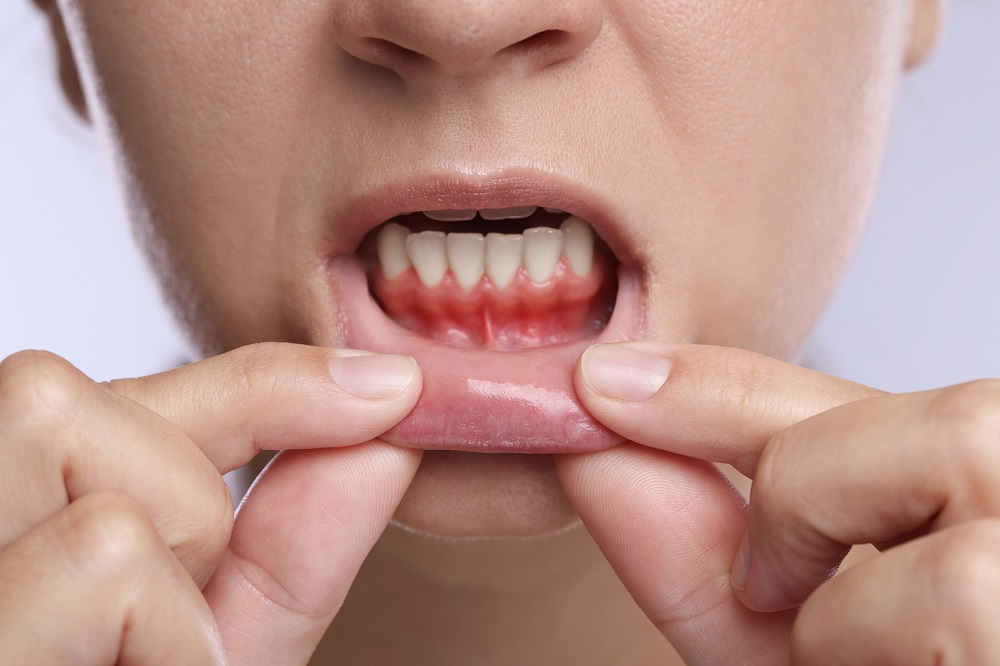
Gingivitis starts in the soft tissues. The gums become inflamed because bacterial biofilm, often called plaque, sits along the gumline and triggers an immune response. At this stage, the damage is generally reversible. If the plaque and calculus are removed and home care improves, the gums can become healthy again.
Periodontitis is different. The infection and inflammation extend deeper, affecting the periodontal ligament and the bone that hold the teeth in place. Pockets form as the gums detach from the tooth surface. Bone loss may follow. Once support is lost, the goal shifts. We are no longer “curing” the tissues back to their original state. We are controlling the disease, reducing the bacterial burden, calming inflammation, and trying to preserve function and stability for as long as possible.
That distinction matters. Patients sometimes feel discouraged when they hear that periodontal treatment may need maintenance visits for years. In truth, that is normal. Periodontitis behaves much more like a chronic condition than a one-time event.
How dentists decide what level of treatment is needed
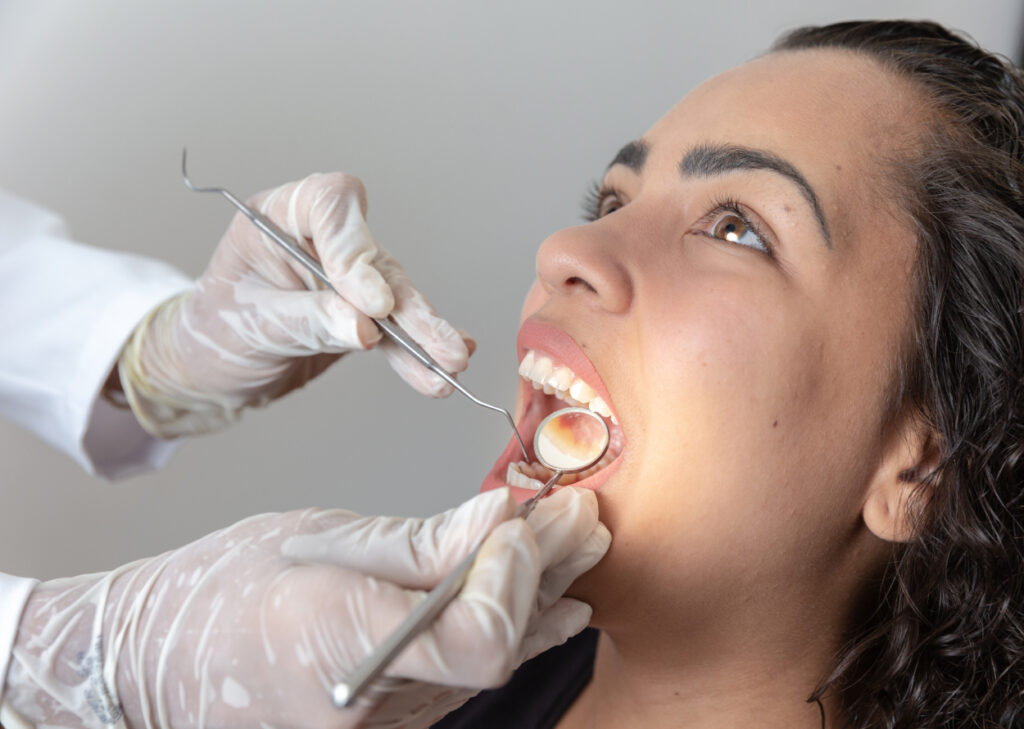
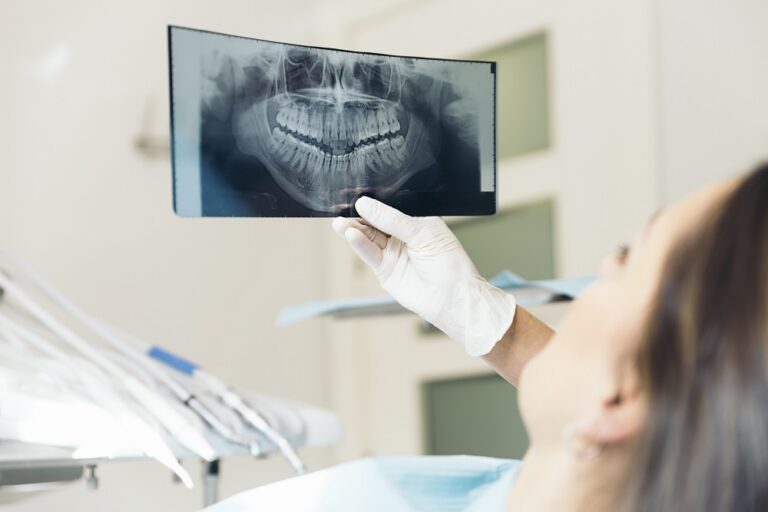
A routine cleaning appointment can reveal signs of trouble, but a true periodontal assessment goes further. The gums are measured around each tooth with a periodontal probe. Pocket depths, bleeding points, gum recession, mobility, furcation involvement in molars, plaque accumulation, and radiographic bone levels all help define the severity and pattern of disease.
A patient with generalized 4 to 5 millimeter pockets and bleeding on probing needs a different plan than someone with isolated deep defects around two molars. So does a smoker with poorly controlled diabetes compared with a healthy younger adult whose problem began after years of skipped cleanings.
There is also a practical layer to diagnosis that often gets overlooked. Some mouths are simply harder to keep clean. Crowding, old bridgework, rough crown margins, dry mouth, mouth breathing, and clenching can all complicate the picture. A good periodontal treatment plan accounts for biology and mechanics together.
The first line of care, scaling and root planing
When people hear “deep cleaning,” they are usually referring to scaling and root planing. This is the most common non-surgical periodontal treatment, and for many patients it is the most appropriate place to start.
Scaling removes plaque and hardened calculus from above and below the gumline. Root planing smooths the contaminated root surface so the gums have a better chance to reattach and inflammation can subside. Local anesthetic is often used because thorough instrumentation below the gumline can be uncomfortable, especially in areas with deep pockets or exposed root surfaces.
The phrase “deep cleaning” can sound cosmetic or optional, but the procedure is neither. It is a therapeutic cleaning aimed at interrupting the disease process. A standard prophylaxis removes plaque and stain from generally healthy mouths. Scaling and root planing treats infected pockets in a diseased mouth.
Results depend on several variables. In shallow to moderate pockets, especially around 4 to 5 millimeters, non-surgical therapy can work very well if the patient follows through with excellent home care and regular maintenance. In deeper pockets, scaling and root planing often improves the tissue condition, but it may not fully eliminate the areas that trap bacteria. That is where re-evaluation becomes essential.
In practice, patients usually notice less bleeding within a couple of weeks and a reduction in puffiness not long after. Some teeth may feel more sensitive afterward, particularly to cold, because inflamed swollen tissue shrinks as it heals, exposing root surfaces that had been hidden. That sensitivity is common and often manageable with desensitizing toothpaste, fluoride, and time.
Why re-evaluation matters more than many patients expect
One of the most useful habits in periodontal care is not assuming the first treatment tells the whole story. After scaling and root planing, the tissues need time to respond. Re-evaluation is typically done a few weeks later, though timing varies by case.
At that visit, pockets are measured again. The difference can be significant. A 6 millimeter pocket that is inflamed and full of calculus may reduce to 4 millimeters once the tissues calm down. Bleeding may disappear. In those cases, surgery may not be necessary. On the other hand, if a site stays deep and continues to bleed, the message is clear. Bacteria are still sheltered in a place that non-surgical instruments and home brushing cannot fully control.
This is where experience matters. Not every residual pocket needs surgery, and not every deep number tells the same story. A 5 millimeter pocket on the front tooth of a patient with excellent plaque control may be monitored differently than a 5 millimeter furcation on a lower molar that catches food and repeatedly flares up.
Adjuncts that may be used with non-surgical treatment
Non-surgical care sometimes includes antimicrobial support, though it should not be mistaken for a substitute for mechanical cleaning. The core problem is bacterial biofilm attached to the tooth and root. That biofilm must be disrupted physically.
Dentists or periodontists may recommend antiseptic rinses in selected situations, short-term local antibiotic delivery into persistent pockets, or systemic antibiotics in more aggressive or unusual cases. Each has a role, but none should be treated as a shortcut. Antibiotics without proper debridement usually produce disappointing results, and overuse creates its own problems.
Occlusal adjustment may occasionally help when mobility is worsened by bite trauma, but it is not a primary periodontal treatment on its own. Night guards can also support stability in patients who clench and overload already compromised teeth. The principle is straightforward: remove infection, reduce inflammation, then reduce mechanical stress where appropriate.
When surgery enters the conversation
Hearing the word “surgery” can make people assume they have failed non-surgical treatment. That is not the right frame. Periodontal surgery is often the logical next step when anatomy or disease severity prevents adequate control by less invasive means.
Persistent deep pockets are the most common reason. If the pocket remains too deep for effective cleaning, bacteria continue to colonize the area. Surgery allows direct access to the root surface and bone contour. It may also improve the architecture of the gum tissue so the patient can keep it cleaner afterward.
Bone loss patterns matter too. Some defects are broad and horizontal. Others are more vertical or angular, creating walls that may be suitable for regenerative procedures. Recession defects, gummy smiles, crown length concerns, and exposed root sensitivity can also call for soft tissue surgery, though those procedures address a different set of periodontal goals.
The key point is that periodontal surgery is not one single operation. It is a category of procedures, each intended to solve a particular problem.
Flap surgery, access with a purpose
Flap surgery, also called pocket reduction surgery, remains a mainstay in moderate to advanced periodontitis. The gum tissue is gently reflected to expose the root surfaces and underlying bone. This allows the clinician to remove calculus and granulation tissue under direct vision, not by feel alone.
That visibility changes the quality of treatment. Deep molar areas, root grooves, concavities, and furcations can be exceptionally difficult to instrument thoroughly without access. Once the infected tissue is removed and the roots are cleaned, the gums are repositioned and sutured to reduce pocket depth.
For the right patient, flap surgery can make a dramatic difference in maintainability. I have seen cases where a patient was doing everything right at home but still could not control a few isolated 7 millimeter sites around back teeth. After access surgery and healing, those same areas became manageable during maintenance, and the patient kept the teeth for years.
The trade-off is that some recession may follow. As inflammation resolves and tissue is repositioned more closely to bone and root, the teeth can appear longer. Patients should know that beforehand. It is often part of disease control, not a complication in the usual sense.
Regenerative procedures, trying to rebuild support
Not all bone loss can be rebuilt, and no responsible clinician promises that it can. But in selected defects, especially certain vertical intrabony defects, regenerative periodontal treatment can improve support around a tooth.
These procedures may involve bone graft materials, biologic modifiers, membranes, or a combination of techniques. The goal is to encourage the body to regenerate lost periodontal structures rather than simply heal with a long junctional attachment. Success depends on defect shape, blood supply, patient health, smoking status, plaque control, and careful surgical technique.
This is an area where expectations need to be realistic. Regeneration is not magic. It works best in specific circumstances. A contained defect around a single root may respond far better than a broad, flattened pattern of generalized bone loss. Patients often hear the word “graft” and imagine the bone will return to normal. Sometimes there is significant improvement, sometimes modest gain, and sometimes the main benefit is stabilization rather than dramatic rebuilding.
Still, when the case selection is good, regenerative therapy can help save teeth that might otherwise have a guarded prognosis.
Gum grafting, treating recession and protecting roots
Not all periodontal treatment is aimed at deep pockets. Gingival recession creates a different set of problems. Exposed roots can become sensitive, look uneven, trap plaque at the margin, and in some cases continue to wear away through abrasion or erosion.
Soft tissue grafting can thicken the tissue, cover exposed root surfaces in selected cases, and create a more stable gum margin. Techniques vary. Some use tissue from the palate, some use donor tissue, and some rely on repositioning nearby tissue with microsurgical approaches.
From a patient’s perspective, grafting is often easier to understand than pocket surgery because the problem is visible. A canine root that looks yellow and feels sharp to the tongue tells its own story. What patients may not realize is that recession is not always caused by “brushing too hard” alone. Thin tissue type, tooth position, orthodontic movement, bite forces, inflammation, and habits all contribute.
The right timing also matters. If active periodontitis is present, it usually needs to be brought under control before elective root coverage is considered.
Crown lengthening and reshaping tissues for function
Some periodontal procedures are performed to improve access for restorative dentistry or to create healthier proportions between tooth and gum. Crown lengthening is one example. If a tooth is broken near the gumline, decayed below the visible margin, or too short to retain a crown properly, surgical reshaping of gum and sometimes bone may be needed.
This can also be done for esthetic reasons in selected patients with excess gingival display, though cosmetic decisions require careful judgment. Removing or repositioning tissue changes the look of the smile permanently. Done well, crown lengthening can make restorative work possible while preserving periodontal health. Done carelessly, it can create sensitivity, black triangles, or compromised support.
It is a useful reminder that periodontal treatment and restorative treatment often overlap. Teeth do not exist in separate departments.
What recovery usually feels like
Patients often imagine periodontal treatment as either trivial or unbearable. Most experiences fall somewhere in between. Deep cleaning typically causes soreness for a day or two, with tenderness during brushing and some sensitivity to temperature. Surgical procedures involve more downtime, but many patients return to desk work quickly if the treatment was localized.
Swelling, mild bleeding, a metallic taste, and difficulty chewing on the treated side are common in the short term. Pain is usually manageable with standard medications, though individual tolerance varies. Palatal donor sites from connective tissue grafts often bother patients more than the grafted area itself.
The smoother the healing period, the more likely it is that instructions were clear and the patient followed them. Gentle plaque https://charlieuahr197.solsticebrief.com/posts/how-to-choose-the-right-specialist-for-periodontal-treatment control, prescribed rinses if recommended, a temporary soft diet, and avoiding smoking make a substantial difference. One practical issue I discuss often is that patients should not test the site with their tongue or pull the lip to look at sutures repeatedly. It sounds minor, but it is a frequent reason for irritation and delayed healing.
Maintenance is where long-term success is won
The most technically beautiful periodontal treatment can fail if maintenance slips. Once a patient has had periodontitis, they remain at higher risk for recurrence. That does not mean failure is inevitable. It means maintenance is part of treatment, not an optional afterthought.
Periodontal maintenance intervals are commonly every three to four months, though some patients can stretch longer and others should be seen more often. These visits are different from routine cleanings. The clinician reviews pocketing, bleeding, plaque control, recession, mobility, and changes over time. The aim is to catch relapse early, before a manageable site becomes a destructive one.
At home, the details matter. Patients do best when they use tools that fit their anatomy and habits rather than aiming for some idealized routine they never maintain. An electric toothbrush helps many adults brush longer and more evenly. Interdental brushes can outperform floss in wider embrasures or around bridgework. Water flossers can be useful adjuncts, especially for dexterity challenges, though they do not replace mechanical plaque disruption everywhere.
The point is not perfection. It is consistency.
Situations that complicate treatment decisions
There are cases where standard pathways need adjusting. Smokers often heal less predictably and respond less favorably to both non-surgical and surgical periodontal treatment. Diabetes, especially when poorly controlled, increases inflammatory burden and worsens outcomes. Pregnancy changes gum response, though major surgery is generally timed carefully. Certain medications can cause gum overgrowth, dry mouth, or altered healing.
Then there is the difficult question of whether a compromised tooth should be treated at all. Sometimes the right periodontal decision is to save a tooth with guarded prognosis because it still serves well and the patient can maintain it. Other times the wiser choice is extraction followed by a carefully planned replacement, or in some cases leaving the space alone if function allows.
This is where experience and honesty matter. Keeping every tooth at any cost is not always sound care. Neither is extracting too quickly because surgery sounds inconvenient. A useful treatment conversation weighs longevity, cost, anatomy, comfort, and what the patient can realistically maintain for the next decade, not just the next six months.
What patients should ask before agreeing to treatment
Good periodontal care is collaborative. Patients do better when they understand what is being treated, what the proposed procedure can and cannot accomplish, and how success will be judged after healing.
A short set of questions often leads to a much better discussion:
- Is the goal to stop disease progression, improve cleanability, reduce sensitivity, improve appearance, or some combination of these?
- What pocket depths or defects are driving the recommendation?
- If we start with non-surgical care, what findings at re-evaluation would make surgery more or less likely?
- What trade-offs should I expect, including recession, sensitivity, healing time, and maintenance needs?
- What happens if I delay treatment for six months or a year?
Those questions help separate urgent disease control from elective refinement. They also help patients hear the treatment plan in practical terms rather than abstract dental vocabulary.
The value of timing
One of the hardest parts of periodontal care is persuading people that “not hurting” is not the same as “not progressing.” Periodontitis can remain surprisingly quiet until a tooth becomes mobile, an abscess forms, or recession becomes obvious. By then, the support that was lost may not be recoverable.
Early periodontal treatment is usually simpler, less invasive, and less expensive than delayed treatment. A patient who addresses bleeding gums and moderate pocketing with thorough non-surgical therapy and maintenance may never need surgery. A patient who waits until there is advanced bone loss around multiple teeth often faces a more complex path, with narrower margins for success.
That does not mean every deep cleaning recommendation is urgent in the same way, or that every patient with bone loss needs immediate surgery. It means the disease deserves a thoughtful response, not passive observation.
Choosing the right level of care
The phrase “from deep cleaning to surgery” captures the range of periodontal treatment, but the better way to think about it is as a ladder of intervention. You start with precise diagnosis, remove the bacterial and calculus burden as conservatively as possible, reassess healing, then escalate only when the residual problem justifies it.
That approach respects both biology and common sense. It avoids overtreatment, but it also avoids the wishful thinking that chronic infection will somehow resolve on its own. In many cases, the most successful outcome is not a dramatic surgical rescue. It is a patient whose gums stop bleeding, whose pockets become maintainable, and whose teeth remain stable through years of regular care.
For anyone hearing these terms for the first time, that may sound less dramatic than expected. In practice, preserving a comfortable, functional dentition for the long haul is exactly what good periodontal treatment is supposed to do.
Avra Dental
Address: 1708 S Victoria Ave B, Ventura, CA 93003
Phone number: (805) 941-1001
FAQ About Periodontal Treatment
Can a dentist get rid of periodontal disease?
A dentist or gum specialist (periodontist) cannot fully cure or reverse advanced periodontal disease (periodontitis), but they can successfully stop its progression and manage the infection.
Is periodontitis very serious?
Yes, periodontitis is a very serious, advanced form of gum disease that destroys the bone and tissues supporting your teeth.
How is stage 2 periodontal disease treated?
Stage 2 periodontal disease (early to moderate periodontitis) is primarily treated with non-surgical deep cleaning procedures like scaling and root planing to remove bacteria and tartar below the gumline.