The Role of Antibiotics in Periodontal Treatment
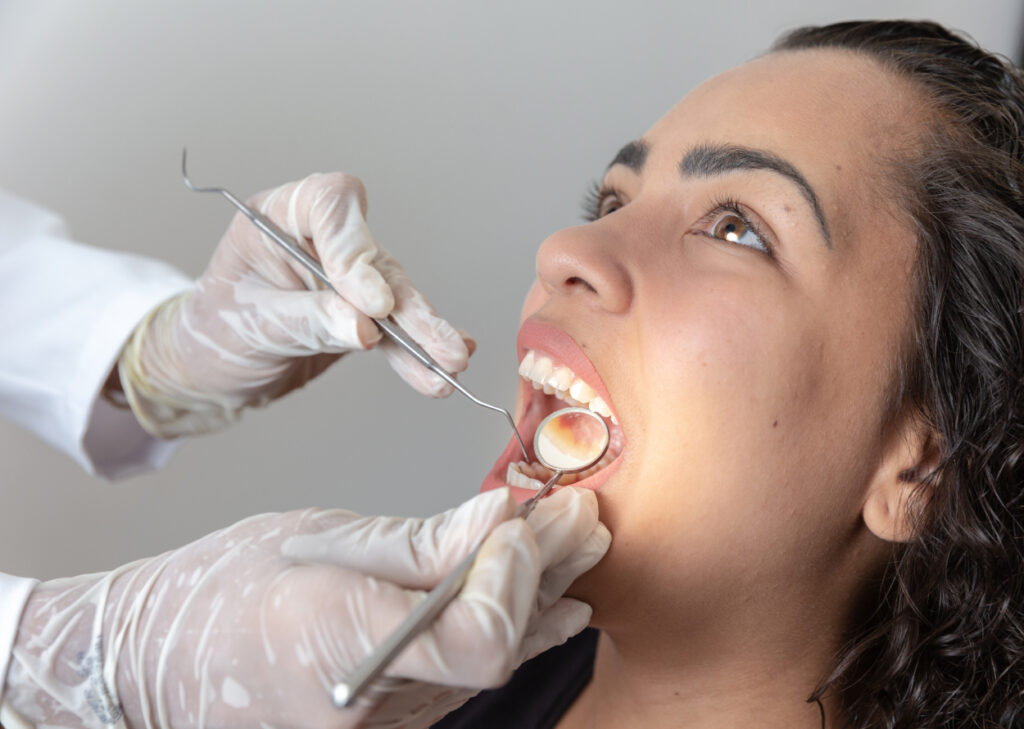
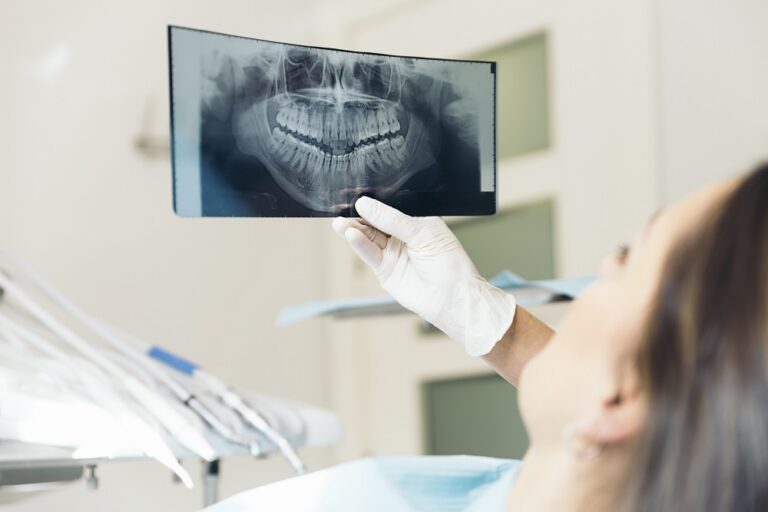

Periodontal treatment has always depended on one central truth: most periodontal disease is driven by biofilm. Bacteria colonize the tooth surface, organize in a structured community, mature beneath the gumline, and provoke a host response that can damage connective tissue and bone. That simple description matters because it explains why antibiotics are not the first answer in most cases. If the bacterial challenge is attached to the root surface in a resilient biofilm, no tablet can replace thorough mechanical disruption.
That point is easy to miss, especially for patients who equate infection with a prescription. In everyday practice, people often assume that a “strong antibiotic” will clear deep pockets the same way it might help with a skin infection or a postoperative complication. Periodontal disease does not behave that way. The infected environment is not a single free-floating organism in a bloodstream or a wound. It is a complex microbial ecosystem, physically attached, sheltered, and often repopulated quickly if the local conditions remain favorable.
So where do antibiotics fit? They have a role, and in certain scenarios they can make a meaningful difference. Used carefully, they can support healing, help control acute infections, and improve outcomes in selected high-risk or refractory cases. Used casually, they expose patients to side effects, contribute to resistance, and create false confidence while the real cause, retained biofilm and calculus, remains untouched.
Why antibiotics are adjuncts, not substitutes
When treating periodontitis, the cornerstone remains mechanical debridement. Scaling and root planing, meticulous plaque control, correction of plaque-retentive factors, and long-term maintenance do most of the heavy lifting. That is not a traditionalist position. It is a reflection of how periodontal infections behave biologically.
Subgingival biofilm acts like an organized community rather than a random collection of microbes. Organisms embedded in that matrix are harder to eliminate than planktonic bacteria. Even when an antibiotic reaches the gingival crevicular fluid, penetration into biofilm can be incomplete, and the microbial community can rebound if root surfaces are not detoxified and oral hygiene does not improve. In practical terms, a patient with heavy calculus deposits, bleeding on probing, and generalized 6 mm pockets is not being underserved by a clinician who starts with debridement rather than a prescription. That clinician is following the disease.
A useful comparison comes from everyday surgery. No experienced surgeon expects antibiotics alone to resolve an abscess that needs drainage. Periodontitis is not identical to an abscess, but the principle is similar. Physical removal of the source is often decisive.
This is why many patients improve substantially without any systemic antimicrobial therapy at all. After careful instrumentation and home care coaching, inflammation subsides, bleeding decreases, pocket depths often shrink, and tissue tone improves. The transformation can be striking. It is not unusual to see a mouth that looked “infected everywhere” become much more stable within weeks after proper non-surgical therapy and better plaque control. Antibiotics did not create that result. Biofilm disruption did.
The situations where antibiotics do make sense
Antibiotics become more relevant when local measures alone are unlikely to control the infection, when the disease pattern is unusually aggressive, or when the infection has acute features that extend beyond chronic periodontal breakdown.
A classic example is a periodontal abscess with spreading infection, systemic signs, or cellulitis. In those cases, drainage and debridement still matter, but antibiotics may be needed because the infection is no longer purely local. Another situation is necrotizing periodontal disease, particularly when there is severe pain, tissue necrosis, lymphadenopathy, fever, or the patient is immunocompromised. Here, antimicrobial support may be justified alongside local debridement, irrigation, and close follow-up.
There is also a smaller but important group of patients with severe periodontitis who do not respond as expected to high-quality non-surgical therapy and good maintenance. Some are younger adults with rapid attachment loss and a family pattern suggestive of heightened susceptibility. Others have disease that remains active despite apparently competent plaque control and thorough instrumentation. In carefully selected cases like these, systemic antibiotics can improve the clinical response, particularly when used in conjunction with full-mouth or quadrant-based debridement performed to a high standard.
That phrase, “carefully selected,” matters. Antibiotics are not a routine add-on for every deep pocket, every bleeding site, or every patient who wants the fastest possible fix. The challenge in periodontal treatment is clinical judgment. The dentist or periodontist has to decide whether the disease behavior suggests a microbial burden that may respond to adjunctive antimicrobials, whether host factors are limiting healing, and whether the patient can tolerate the medication and follow instructions.
Systemic antibiotics versus local delivery
The conversation often narrows too quickly to a single question: should the patient take pills? In reality, antimicrobial therapy in periodontics can be systemic or locally delivered, and the distinction matters.
Systemic antibiotics circulate through the body and reach periodontal tissues through the blood supply and gingival crevicular fluid. Their main advantage is broad distribution. They can reach multiple sites, including areas that are difficult to instrument fully or are concurrently infected. This is one reason they are considered in generalized disease patterns or acute spreading infections.
The downside is just as important. Systemic exposure means systemic side effects. Gastrointestinal upset, drug interactions, allergic reactions, candidiasis, photosensitivity with certain agents, and disruption of normal flora are all real considerations. Add the public health issue of antimicrobial resistance, and the threshold for prescribing should stay appropriately high.
Local antimicrobial delivery works differently. Agents placed directly into a periodontal pocket, often in gel, chip, or microsphere form, aim to create a high concentration at the site of disease with minimal systemic exposure. In a narrow sense, this is an attractive concept. The clinician treats the pocket rather than the whole patient.
In practice, local delivery tends to be most useful in selected residual sites, often during maintenance, where a small number of persistent pockets remain after otherwise sound therapy. It is less useful as a blanket strategy for a generalized disease burden. It also depends on excellent case selection and patient compliance with maintenance. A local antimicrobial placed into a deep pocket that remains packed with plaque because home care is poor is rarely a satisfying long-term solution.
Which patients may benefit most
No responsible clinician can reduce antibiotic decisions to a rigid formula. Still, there are recurring patterns where adjunctive antibiotics deserve serious consideration.
- Acute periodontal infections with systemic involvement or spread beyond the local site
- Necrotizing periodontal diseases, especially with pain, fever, or immunosuppression
- Selected severe or rapidly progressing periodontitis cases that do not respond adequately to meticulous debridement alone
- Patients with multiple deep residual sites where surgery is delayed or not immediately feasible, if local delivery is suitable
- Medically complex patients in whom infection control is urgent and host defense may be compromised
Even within those groups, the decision is not automatic. A patient with poorly controlled diabetes and generalized stage III periodontitis may seem like an obvious candidate, yet if they have not had definitive debridement, oral hygiene instruction, and reevaluation, prescribing early can be premature. On the other hand, a patient with a painful periodontal abscess and facial swelling should not be managed as though this were routine chronic disease. The tempo and pattern of disease matter.
Common regimens, and why regimen choice is never casual
Among systemic options, the combination of amoxicillin and metronidazole is frequently discussed in periodontal therapy, especially in certain forms of severe periodontitis. There is a biologic rationale for that pairing because it targets a range of anaerobic periodontal pathogens and has been associated with improved outcomes in selected patients when combined with non-surgical therapy.
But “commonly used” should not be mistaken for “harmless” or “universally indicated.” Amoxicillin is inappropriate in patients with relevant allergy. Metronidazole raises issues with alcohol use, adverse taste disturbances, gastrointestinal effects, and interactions with some medications. Tetracycline-class drugs can be useful in certain situations, yet they carry their own cautions, including photosensitivity and restrictions in pregnancy or for younger children. Azithromycin has also been used in some periodontal contexts, though it is not a one-size-fits-all answer and must be weighed against cardiac risk factors and stewardship concerns.
The real point is not memorizing a menu of drugs. It is recognizing that antibiotic choice should follow a clinical diagnosis, medical history, allergy review, medication check, and treatment objective. Prescribing by habit is where problems start.
I have seen a few versions of the same error over the years. One is the patient who receives repeated short antibiotic courses from urgent care settings for recurrent gum swelling without ever getting definitive periodontal therapy. Symptoms settle for a week or two, then return. Another is the practice pattern where antibiotics are prescribed “just in case” after routine deep cleaning, even when there is no systemic involvement, no unusual disease pattern, and no evidence that the patient needs them. Neither approach serves the patient well.
Timing matters more than many people realize
If antibiotics are indicated, https://kameronkbsj343.image-perth.org/how-regular-checkups-reduce-the-need-for-major-periodontal-treatment when they are given in relation to debridement can influence the result. The general principle is that antimicrobials work best when the bacterial load has already been disrupted mechanically. Debridement breaks up the biofilm and alters the environment, making surviving bacteria more vulnerable.
This is one reason some clinicians prefer to coordinate systemic antibiotics with active instrumentation rather than prescribing them days or weeks in advance. It is also why sloppy or incomplete debridement cannot be rescued by medication. A good prescription cannot compensate for poor root surface access or rushed therapy.
Timing also matters from the patient’s perspective. If the patient starts the medication but misses appointments, fails to complete treatment, or does not improve home care, the opportunity is largely wasted. Periodontal treatment succeeds when the mechanical, microbial, and behavioral pieces line up.
The microbiology is complex, but the clinical message is simple
Researchers have spent decades characterizing periodontal pathogens and host responses. Organisms such as Porphyromonas gingivalis, Tannerella forsythia, and Treponema denticola are often implicated in destructive periodontal disease, yet the field has moved beyond the idea of a single causative germ. Periodontitis is better understood as a dysbiotic shift within the subgingival biofilm combined with a susceptible host response.
That matters because it explains why culture results or microbial tests do not automatically dictate a prescription. A positive test for a known periodontal pathogen does not mean the patient must receive antibiotics. Many patients harbor potentially pathogenic species and still respond well to conventional therapy alone. Clinical context remains decisive: probing depths, bleeding, suppuration, radiographic bone loss, disease progression, plaque control, smoking status, systemic health, and prior response to therapy.
In other words, the microbiology informs judgment, but it does not replace it.
Resistance is not an abstract concern
Antibiotic stewardship can sound like a policy phrase until you watch the downstream effects of overprescribing. Resistant organisms, repeated infections that become harder to control, avoidable drug reactions, and a growing mismatch between expectation and reality all come into play.
Dentistry contributes a smaller share of total antibiotic use than some medical fields, but that is not a reason for complacency. Periodontal treatment, because it often involves chronic disease rather than emergency infection alone, is an area where discipline matters. Every unnecessary prescription has two costs. There is the individual cost to the patient who may experience side effects or learn to rely on medication rather than disease control. Then there is the wider cost of normalizing avoidable antibiotic exposure.
Patients generally understand this when it is explained clearly. Most are not asking for antibiotics out of recklessness. They are asking because they want the infection gone. A straightforward explanation usually helps: the disease is attached to the teeth, the roots need cleaning, the tissues need time to heal, and medication is only useful when the pattern of disease suggests it will add something meaningful.
What antibiotics cannot fix
This is the part that deserves blunt language. Antibiotics cannot fix retained calculus. They cannot correct an overhanging restoration that traps plaque. They cannot reverse smoking-related impairment in healing. They cannot make a patient’s floss or interdental brushes unnecessary. They cannot compensate for irregular maintenance visits over several years.
They also cannot fully overcome uncontrolled systemic factors. If a patient has poorly controlled diabetes, severe xerostomia from medications, high plaque levels, and missed periodontal maintenance appointments, the treatment plan has to address those realities. Prescribing around them is tempting because it feels active, but it often produces only short-lived improvement.
The same is true after periodontal surgery or regenerative procedures. Antibiotics may be appropriate in selected postoperative situations, depending on the procedure and clinician judgment, but even then they are only one element. Surgical technique, flap management, decontamination, patient compliance, and plaque control determine most of the outcome.
How clinicians decide in real practice
The decision to use antibiotics in Periodontal Treatment usually comes from a layered assessment rather than a single trigger. Clinicians weigh disease severity, extent, speed of progression, presence of suppuration, systemic symptoms, medical history, smoking, immunologic status, prior treatment response, and the practical reality of patient adherence.
A younger adult with severe generalized attachment loss and minimal plaque accumulation raises a different level of concern than an older patient with moderate chronic disease and abundant local deposits. A frail patient on immunosuppressive medication is not managed the same way as a healthy adult with localized residual 5 mm pockets during maintenance. The chart may look similar in one narrow metric, but the biology and risk profile are not.
That is where experience becomes important. Good periodontal care is rarely dramatic. It is often a series of small, disciplined decisions: when to debride again, when to culture or refer, when to consider surgery, when to defer antibiotics, and when the disease pattern truly justifies them. The best outcomes usually come from resisting shortcuts.
What patients should expect if antibiotics are prescribed
When antibiotics are part of treatment, the patient should understand exactly why. They should know whether the goal is to manage an acute infection, support therapy in severe disease, or treat a specific residual problem. They should also know that the prescription does not replace cleaning, surgery if indicated, or maintenance.
A useful discussion usually covers a few basics. The medication should be taken exactly as directed. The full course should be completed unless the prescriber advises otherwise. Side effects, allergies, alcohol precautions where relevant, and interactions with existing medications should be reviewed. Most importantly, the patient should know what improvement to watch for and when to seek review if pain, swelling, fever, or drainage persist.
That final point matters because antibiotics can create a false sense of resolution. A patient may feel better quickly even while the underlying periodontal problem remains. Symptom relief is welcome, but it is not the same as disease control.
The bigger picture in modern periodontal care
Modern periodontics has become more precise about staging, grading, and risk assessment. That precision supports a more restrained and more intelligent use of antibiotics. Instead of treating every pocket the same way, clinicians can identify who is likely to benefit from local therapy alone, who needs surgery, who needs stricter maintenance, and who may gain from adjunctive antimicrobials.
This is ultimately the healthiest way to think about antibiotics in periodontal treatment. They are not heroes and they are not villains. They are tools. Like any useful tool, their value depends on timing, indication, and skillful use.
Most periodontal disease improves because the biofilm is disrupted, the roots are cleaned, the patient changes daily habits, and maintenance keeps the microbial challenge under control. Antibiotics enter the picture when the disease pattern, the patient’s risk profile, or the acute clinical situation suggests that local care alone may not be enough. Used in that narrow but important space, they can be highly effective. Used outside it, they often create more problems than they solve.
The wisest prescribing in periodontics tends to be the least theatrical. It is thoughtful, selective, and anchored to the biology of the disease. That approach serves both the patient in the chair and the larger responsibility the profession carries every time it reaches for a prescription pad.
Avra Dental
Address: 1708 S Victoria Ave B, Ventura, CA 93003
Phone number: (805) 941-1001
FAQ About Periodontal Treatment
Can a dentist get rid of periodontal disease?
A dentist or gum specialist (periodontist) cannot fully cure or reverse advanced periodontal disease (periodontitis), but they can successfully stop its progression and manage the infection.
Is periodontitis very serious?
Yes, periodontitis is a very serious, advanced form of gum disease that destroys the bone and tissues supporting your teeth.
How is stage 2 periodontal disease treated?
Stage 2 periodontal disease (early to moderate periodontitis) is primarily treated with non-surgical deep cleaning procedures like scaling and root planing to remove bacteria and tartar below the gumline.