Understanding Deep Gum Pockets and Gum Disease Treatment
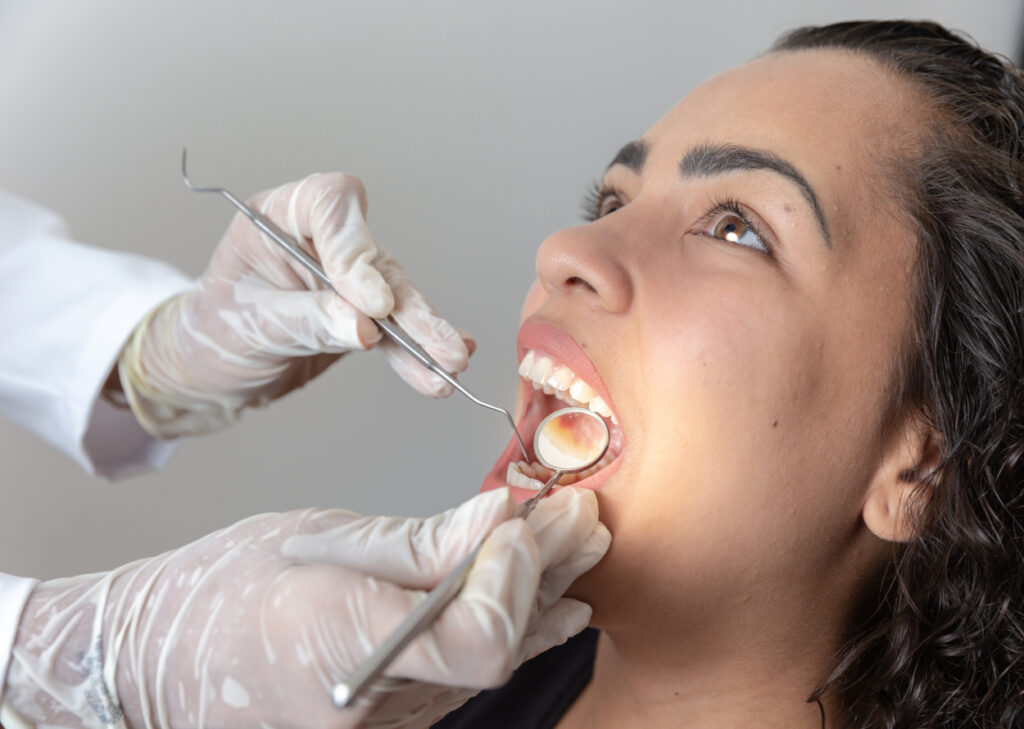


If you have ever been told that you have "deep pockets" around your teeth, it can sound abstract, almost harmless. In practice, it is neither. Deep gum pockets are one of the clearest signs that gum disease has moved beyond simple irritation and into structural damage. They matter because they create a sheltered space where bacteria can thrive, evade routine brushing, and steadily break down the tissue and bone that support the teeth.
Dentists and hygienists talk about pocket depth for good reason. Healthy gums fit snugly around each tooth, creating a shallow groove that is usually easy to keep clean. When inflammation takes hold, that tight seal begins to loosen. The gum may swell, detach, and form a deeper space. Once that happens, plaque and tartar can build up below the gumline, where a toothbrush cannot reach and floss often cannot fully clean. From there, the disease can become self-perpetuating. The deeper the pocket, the easier it is for bacteria to remain. The longer they remain, the more damage they can do.
This is where Gum Disease Treatment becomes more than a routine cleaning. Treatment has to interrupt an active disease process, reduce the bacterial load, and give the gum tissue a chance to reattach and heal. Depending on the severity, that can range from non-surgical deep cleaning to carefully planned periodontal surgery.
What a deep gum pocket actually is
A gum pocket is the small space between the gum tissue and the tooth. In health, this space is shallow. During a periodontal exam, a clinician uses a thin measuring instrument called a periodontal probe to measure that depth in millimeters around each tooth. Numbers matter here, but they need context. A reading of 1 to 3 millimeters is generally considered within a healthy range if there is no bleeding and the gums are stable. Four millimeters can be borderline, especially if there is inflammation. Five millimeters and beyond usually means the tissue has detached enough to create an environment that needs active attention.
Depth alone does not tell the whole story. A 4 millimeter pocket that does not bleed and has no bone loss may be less concerning than a 4 millimeter pocket that bleeds easily and is paired with recession or a history of rapid disease progression. Clinicians look at the full picture: bleeding, pus, recession, mobility, X-rays, bone levels, medical history, and whether the pocket is isolated to one area or widespread.
Patients are often surprised to learn that a deeper number does not always mean they felt pain. Gum disease is notorious for progressing quietly. Some people notice nothing more than occasional bleeding while brushing. Others assume the bad taste in their mouth is from food or dry mouth. By the time teeth begin to feel loose, the disease is often well established.
Why pockets deepen in the first place
The short version is bacterial plaque, but the real story is more layered. Plaque is a sticky film that forms on teeth every day. If it is not removed thoroughly, it hardens into tartar, also called calculus. Tartar creates a rough surface where even more plaque can cling. The bacteria inside that plaque produce toxins and trigger an inflammatory response in the gums. At first, the tissue swells and bleeds. This stage, gingivitis, is still reversible.
When that inflammation persists, the attachment between the gum and the tooth starts to break down. The body’s own immune response, while trying to control the infection, can also contribute to tissue and bone destruction. That is when gingivitis can progress to periodontitis. The pocket deepens not because the tooth is growing out of the gum, but because the supporting structures are being lost.
Certain factors accelerate this process. Smoking is one of the biggest. It changes blood flow, impairs healing, and can mask bleeding, which means disease may look less dramatic while causing more damage. Diabetes, especially when poorly controlled, raises the risk and severity of periodontal disease. Dry mouth, some medications, hormonal shifts, genetic susceptibility, stress, and grinding can all influence how rapidly pockets worsen.
There are also local factors. A crown with a rough margin, teeth crowded tightly together, old dental work that traps plaque, or a partially erupted wisdom tooth can create stubborn areas where disease lumbles forward despite otherwise decent home care.
What patients usually notice, and what they miss
Many people expect severe gum disease to hurt. That expectation delays care. Deep pockets often develop with little or no discomfort until the condition is advanced. The warning signs tend to be subtle, repetitive, and easy to normalize.
- Gums that bleed during brushing, flossing, or eating
- Persistent bad breath or a sour taste that returns quickly
- Swollen, tender, or puffy gum tissue
- Teeth that appear longer because the gums have receded
- A bite that feels different, or a tooth that feels slightly loose
A patient might say, "My gums have always bled, I thought that was normal." It is not. Healthy gums do not bleed with routine brushing and flossing. Another common remark is, "I had a cleaning six months ago, so I assumed things were fine." A standard cleaning helps maintain health above the gumline. It is not the same as treating active periodontal pockets below it.
I have seen patients with a single 7 millimeter pocket next to one molar that had trapped food for months, and others with generalized 5 to 6 millimeter pockets throughout the mouth who felt almost nothing. The first patient noticed because the problem was localized and annoying. The second did not because the changes were gradual. That contrast is one reason regular periodontal charting matters so much.
How dentists evaluate deep pockets
A proper periodontal evaluation is methodical. The dentist or hygienist measures six points around each tooth because disease is not always uniform. A molar can have one deep area tucked between roots while the rest of the tooth measures reasonably well. Bleeding on probing is recorded because it signals active inflammation. Gum recession is noted because a pocket can look deceptively shallow if the gum has already receded. Mobility is tested because looseness suggests support has been compromised. X-rays help reveal bone loss patterns that the naked eye cannot see.
This exam is not busywork. It is a map. Without it, treatment becomes guesswork. A patient with widespread 4 to 5 millimeter bleeding pockets needs a different approach than someone with one isolated defect caused by a food trap or a failing filling edge. The map also helps track whether treatment worked. If pockets shrink, bleeding reduces, and the tissues become firmer, that is progress. If deep sites persist, the plan may need to escalate.
The difference between a regular cleaning and periodontal treatment
This distinction causes confusion more often than almost anything else in dental care. A routine cleaning, often called prophylaxis, is designed for mouths that are basically healthy or have only mild gingivitis. It removes plaque and tartar above the gumline and in shallow sulcus areas. It is preventive maintenance.
Deep gum pockets call for something more involved, usually scaling and root planing. This is a non-surgical form of Gum Disease Treatment that reaches below the gumline to remove tartar, bacterial deposits, and contaminated root surface material. The goal is to create a cleaner, smoother root that the gum tissue can adapt to more effectively.
Patients sometimes feel frustrated when they hear they need a "deep cleaning" instead of a regular cleaning, especially if they came in expecting something simple. The terminology does not help. "Deep cleaning" sounds cosmetic or optional. In reality, it is treatment for an infection-driven disease process. It is often performed in sections of the mouth with local anesthetic because the work is more extensive and the tissues are inflamed.
What treatment usually looks like
Not every deep pocket needs surgery. In many cases, the first step is non-surgical therapy, followed by reassessment after healing. The exact plan depends on pocket depth, bleeding, bone loss, and how well the patient can keep the area clean at home.
- Scaling and root planing to remove tartar and bacterial deposits below the gumline
- Local antimicrobial therapy in select pockets, when the anatomy or disease pattern suggests added benefit
- Occlusal adjustment or management of grinding if biting forces are aggravating mobility or inflammation
- Periodontal surgery for persistent deep sites, difficult root anatomy, or defects that may respond to regenerative techniques
- Ongoing periodontal maintenance at shorter intervals, often every three to four months rather than twice a year
There is judgment involved in every step. For example, local antibiotics placed into pockets can be helpful in certain cases, but they are not a cure by themselves and should not be used as a substitute for thorough debridement. Surgery may be appropriate for one patient with a stubborn 6 millimeter molar pocket, while another patient with similar measurements can improve dramatically with non-surgical care plus excellent home habits.
Scaling and root planing, what to expect
Patients usually want to know two things first: Will it hurt, and will it fix the problem? The procedure is commonly done with local anesthetic, so it should be manageable during treatment. Afterward, the gums may feel tender for a few days, teeth can become briefly more sensitive to cold, and the tissue may look slightly shrunken as swelling subsides. That shrinkage is not a setback. Inflamed gums are puffier. As they heal and tighten, some recession can become more visible, but the tissue is healthier.
Will it fix the problem? Often, it significantly improves it. A 5 millimeter inflamed pocket may reduce to 3 or 4 millimeters after meticulous scaling and root planing plus good plaque control at home. Very deep pockets, furcations between molar roots, and areas with complex anatomy are less predictable. Root grooves, concavities, and crowded lower front teeth can remain challenging even after well-executed treatment.
Patients occasionally expect the gums to "grow back" completely. That is not how periodontal healing usually works. The main aim is disease control and stabilization. In some cases, especially where bone loss has occurred, the tissue can tighten and become healthier without fully restoring the original architecture.
When surgery enters the conversation
Surgery is not automatically a sign that earlier treatment failed. Sometimes the anatomy simply limits what can be achieved non-surgically. Deep vertical defects, persistent pockets around molars, or areas hidden beneath thick tissue may require direct access. Periodontal flap surgery allows the clinician to reflect the gum tissue, thoroughly clean the roots and underlying bone contours, and reduce the pocket depth.
In selected cases, regenerative procedures may be considered. These use bone grafts, membranes, or biologic materials to encourage new support in areas with the right defect shape. The shape matters. A contained vertical defect between roots offers a different healing potential than generalized horizontal bone loss. This is one of those areas where experience matters more than promises. Not every defect is graftable, and not every graft produces dramatic radiographic fill.
There is also a practical side to surgery that patients appreciate when it is explained honestly. Surgery can improve access for cleaning at home. If a patient has a persistent 7 millimeter pocket on the back of a molar that traps bacteria month after month, reducing that site to something easier to maintain can make the difference between stability and ongoing relapse.
Why home care can make or break the outcome
Professional treatment removes established deposits and disrupts infection, but it cannot protect the gums every day afterward. Deep pockets are strongly influenced by what happens at home between visits. That does not mean blame. It means biology. Plaque reforms quickly. A beautifully treated mouth can slide backward if daily cleaning is inconsistent, especially in someone with a history of periodontitis.
Good home care does not require a drawer full of gadgets, but it does require technique. Patients often brush enough minutes and still miss the gumline. They may floss regularly but snap the floss through contact without curving it around the https://alexisypmq367.theglensecret.com/gum-disease-treatment-for-red-tender-and-inflamed-gums tooth. In wider spaces caused by bone loss, floss alone may be inadequate, and interdental brushes can be far more effective. Water flossers can help, especially around bridges, implants, and orthodontic appliances, though they work best as an adjunct rather than a replacement for mechanical plaque removal.
Mouthwash has a supporting role at best. It can freshen breath and, in some cases, reduce bacterial load modestly, but it does not remove tartar or physically disrupt mature plaque the way brushing, interdental cleaning, and professional instrumentation do.
The maintenance phase that people underestimate
One of the most common misunderstandings is the belief that treatment ends once the deep cleaning or surgery is done. Periodontitis is better understood as a managed chronic condition. Once someone has lost attachment and bone support, they remain at higher risk for recurrence. That is why periodontal maintenance visits are scheduled more frequently than regular six-month cleanings.
At these visits, the team is not merely polishing teeth. They reassess pocket depths, bleeding, home care effectiveness, and areas of relapse. Small changes matter. A site that was stable at 3 millimeters and now measures 5 with bleeding needs attention before it turns into a bigger problem. Frequent maintenance can feel inconvenient or expensive until you compare it with the cost, time, and stress of retreatment, surgery, or tooth loss.
A practical example illustrates this well. Consider two patients with similar moderate periodontitis. One returns every three to four months, uses interdental brushes nightly, and stops smoking. The other stretches maintenance to once a year and assumes brushing alone is enough. Over several years, their outcomes can diverge sharply even if their initial treatment was identical.
Can deep gum pockets close on their own?
Usually, no. Mild gum inflammation can improve dramatically with better home care and a routine cleaning if there is little or no attachment loss. But true periodontal pockets, especially those associated with tartar below the gumline and bone loss, do not predictably resolve without professional treatment. The bacteria are too well protected, and the deposits are too tenacious.
What can happen, and often does happen, is a reduction in depth after treatment and healing. Some pockets become easier to maintain and stop bleeding. Others remain deep but inactive for a time, which still carries risk because deep sites are harder to monitor and keep plaque-free. The aim is not simply a smaller number on a chart. It is long-term stability with minimal inflammation and maintainable anatomy.
Tooth loss, implants, and the larger stakes
Untreated deep pockets can ultimately lead to tooth mobility, abscesses, drifting, and tooth loss. Losing a tooth is not just an aesthetic issue. It changes chewing efficiency, bite forces, and how neighboring teeth move. Replacing lost teeth with bridges or implants can help, but neither option erases the importance of periodontal health.
This is especially relevant because implants are not immune to similar inflammatory problems. A patient who has lost teeth to periodontitis can also develop peri-implant disease if plaque control remains poor. In other words, replacing teeth does not replace the need to manage the underlying tendency toward gum inflammation and attachment loss.
The smoking and diabetes effect
Two factors deserve special attention because they influence both disease severity and treatment response so strongly. Smoking suppresses blood flow, alters immune response, and makes it harder for tissue to heal. Smokers often bleed less visibly, which can create the false impression that things are not serious. Yet they are more likely to have deeper pockets, more bone loss, and poorer treatment outcomes.
Diabetes cuts both ways. Poorly controlled blood sugar can worsen periodontal inflammation and impair healing. Active periodontal disease can also make glycemic control more difficult. When medical and dental care are coordinated, the results are often better. Patients do not need perfect health to benefit from Gum Disease Treatment, but they do benefit from a realistic discussion of how systemic conditions affect the road ahead.
Questions worth asking at your appointment
Patients get better care when they understand what their numbers mean and what the goals are. It is reasonable to ask which teeth have the deepest pockets, whether there is bone loss on X-ray, whether the findings suggest active periodontitis or mainly past damage, and what kind of maintenance interval is recommended. It is also worth asking what home tools fit your specific anatomy. Someone with tight contacts and minimal recession needs a different routine than someone with open embrasures and exposed root surfaces.
That conversation should be individualized. Generic advice is one reason people feel they are "doing everything right" when they are not cleaning the areas that actually need attention.
What successful treatment really looks like
Success is not always dramatic. Sometimes it looks like gums that stop bleeding, breath that improves, and pocket depths that become stable enough to maintain. Sometimes it means avoiding surgery. Sometimes it means having surgery on one stubborn area and keeping the rest of the mouth stable for years. In advanced cases, success may involve saving most teeth, slowing further bone loss, and helping the patient function comfortably without repeated infections.
The deeper lesson is that periodontal disease responds best when it is treated early, monitored carefully, and managed consistently. Deep gum pockets are not just a number on a chart. They are a sign that the seal around the teeth has been compromised. Once you understand that, the logic of treatment becomes clearer. Clean the inaccessible areas, reduce inflammation, reshape or repair what can be stabilized, and maintain the result with discipline.
That approach is rarely glamorous, but it works. And in gum care, quiet stability is often the best outcome of all.
Avra Dental
Address: 1708 S Victoria Ave B, Ventura, CA 93003
Phone number: +18057653206
FAQ About Gum Disease Treatment
Can I make my gums healthy again?
Yes, you can make early-stage gum disease completely healthy again, but advanced damage requires professional care to manage.
Can you cure gum disease?
You can cure early-stage gum disease, but advanced gum disease cannot be fully cured.
Can I live a normal life with gum disease?
Yes, you can live a normal life with gum disease, but it requires active, lifelong management to control the condition and prevent serious complications